Why Does My House Smell Musty? HVAC Causes and Fixes
A musty smell in your house almost always traces back to excess moisture trapped somewhere in the HVAC system—most commonly mold or bacterial growth on the evaporator coil, in the condensate drain line, or inside ductwork—because Savannah’s coastal humidity (75–85% relative humidity May through October, dew points routinely 70°F+) keeps these areas perpetually damp unless the system is properly maintained and sized.
Bottom line: In the Greater Savannah area, the number-one cause of persistent musty odors is biological contamination on a dirty or poorly drained evaporator coil inside the air handler, which spreads spores and volatile organic compounds through every supply vent whenever the blower runs; fixing it usually requires professional coil cleaning, drain line flushing, and often a UV light or whole-home dehumidifier addition, with noticeable odor reduction within days to weeks.
The musty odor you smell is the byproduct of microbial volatile organic compounds (MVOCs) released by mold, mildew, or bacteria metabolizing organic material in wet, dark, warm environments. HVAC systems create exactly those conditions: the evaporator coil stays cold and wet during cooling cycles, the drain pan and line collect condensed water, and unconditioned duct runs in attics or crawlspaces experience temperature swings that cause condensation. In Pooler’s humid summers and historic Savannah homes with aging ductwork, these problems compound quickly—moisture never fully dries out, organic dust accumulates, and biological growth takes hold.
How the Evaporator Coil Becomes a Musty Odor Source
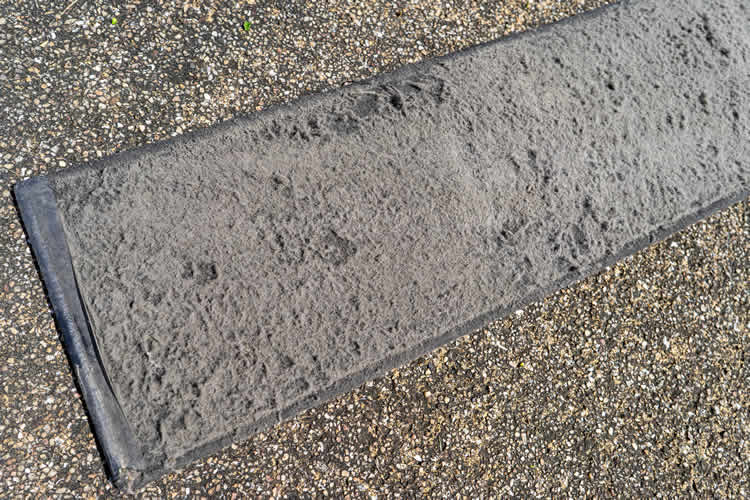
Warm, humid indoor air passes over the cold evaporator coil, dropping below dew point and condensing water vapor into liquid that drips into the drain pan. A clean coil sheds this water efficiently. Over time—typically 2–5 years in coastal Georgia without maintenance—dust, pollen, skin cells, and pet dander settle on the wet fins, providing food for mold and bacteria.
The resulting biofilm coats the coil surface, reducing heat transfer and dehumidification while releasing musty-smelling MVOCs. Every time the blower runs, these compounds aerosolize and travel through supply ducts into every room. The smell is strongest when the system first starts (stirring stagnant air) or after the house has been closed up for hours.
In high-humidity conditions, even a relatively clean coil can develop odor if the system short-cycles (oversized unit turns off before the coil warms enough to evaporate residual moisture), leaving standing water that fosters growth.
Condensate Drain Line and Pan Problems
The drain line that carries condensed water out of the home is another hotspot. In Savannah, the coil removes 10–20 gallons of water per day in peak summer; the warm, nutrient-rich interior of the drain line grows algae and bacterial slime quickly. Partial clogs slow drainage, creating standing water in the pan under the coil—a perfect stagnant breeding ground.
When the pan overflows or the safety switch trips, water can back up onto the coil or leak into the air handler cabinet, soaking insulation or cabinet walls and producing intense musty odors that the blower then distributes. In older homes in the historic district or homes with long horizontal drain runs, gravity drainage is poor and clogs form faster.
Ductwork as a Hidden Contributor
Ducts running through unconditioned attics (common in Savannah-area homes) experience extreme heat (140°F+) in summer, causing condensation on exterior surfaces of poorly insulated sections. If there are any small leaks or disconnected joints, humid attic air enters, condenses inside, and feeds mold growth on duct interiors.
Flexible duct liners degrade in heat and trap moisture; sagging sections hold water like small pools. Return ducts pulling air from dusty crawlspaces or attics bring in additional organic material that settles and molds when humidity is high.
Other HVAC-Related Musty Smell Sources
Dirty air filters restrict airflow, causing the coil to freeze and thaw repeatedly—creating wet/dry cycles that accelerate mold. Low refrigerant charge makes the coil run colder than normal, increasing condensation and frost that melts into standing water. Blower wheel buildup (dust and grime on the fan blades) can harbor bacteria and release odors when spinning.
How to Diagnose and Confirm the Source
Run the system on fan-only mode for 30–60 minutes—if the musty smell intensifies, the odor originates in the air handler or ducts (coil, drain, or blower). If the smell is strongest right after startup and fades, suspect the coil or drain pan. Check indoor humidity with a $10–30 hygrometer—readings consistently above 55–60% while the AC runs indicate inadequate dehumidification, which almost always correlates with musty odors.
Effective Fixes in Savannah’s Climate
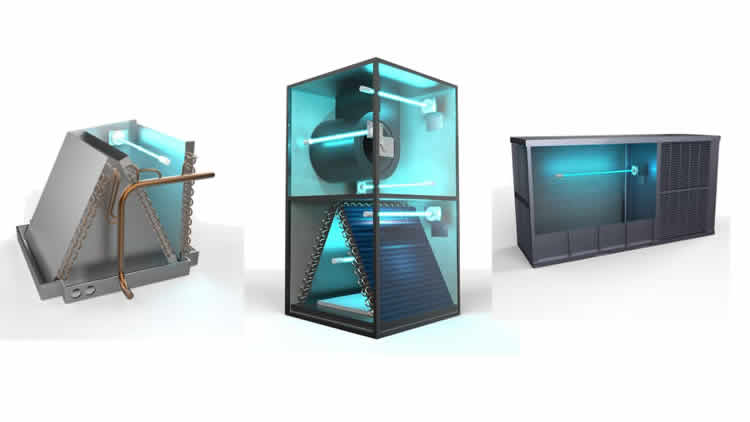
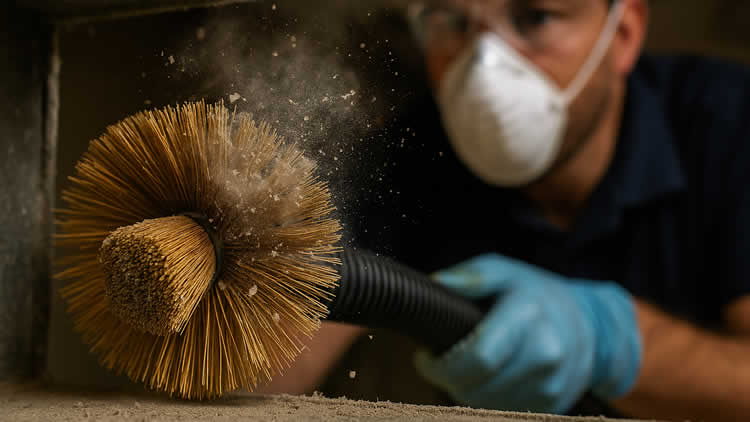
Professional evaporator coil cleaning is usually the first and most impactful step—technicians access the coil, apply no-rinse foaming cleaner, and vacuum residue, removing the biofilm source. In humid conditions, follow with a UV germicidal light ($500–$1,200 installed) to prevent regrowth.
Full condensate drain line flushing with a wet vac or nitrogen clears deep clogs; many installers add an algae-resistant trap or pan tablet holder.
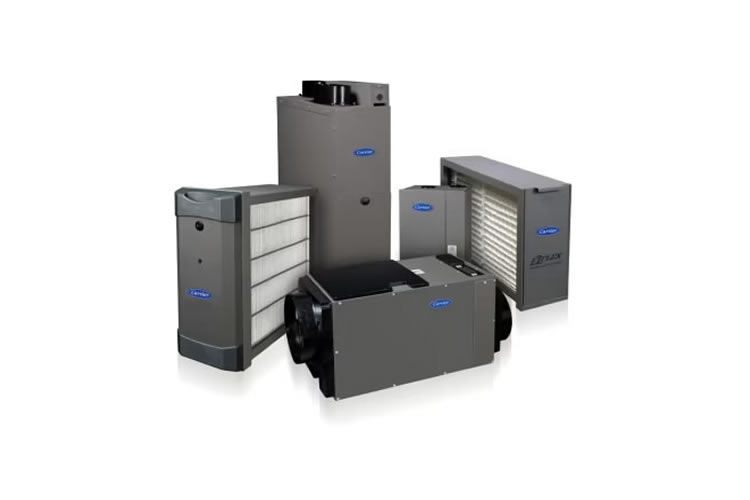
If humidity stays high post-cleaning, a whole-home dehumidifier ($1,500–$3,000) integrated with the HVAC removes 70–100 pints daily independently of cooling cycles—especially effective during shoulder seasons when AC runtime is short.
Annual maintenance—coil inspection/cleaning, drain treatment, filter evaluation—prevents recurrence. In coastal areas, outdoor unit rinsing removes salt that accelerates corrosion and coil fouling.
Carriage Heating & Cooling diagnoses musty odors with camera inspections, humidity measurements, coil checks, and drain testing, then applies targeted fixes—coil cleaning, UV lights, dehumidifiers, or drain upgrades—tailored to your home’s conditions in Pooler, Savannah, Richmond Hill, Rincon, Tybee Island, and surrounding communities.