How to Reduce Humidity in Your Home Without Cranking the AC
You can reduce indoor humidity in a Savannah-area home without lowering the thermostat further by running exhaust fans during and after showers/cooking, using a portable or whole-home dehumidifier, improving ventilation habits, sealing air leaks, and adding moisture-absorbing materials—often dropping relative humidity from 60-70% down to the target 45-55% range in humid coastal conditions.
Bottom line: In the Greater Savannah area, where summer dew points routinely exceed 70°F and outdoor relative humidity averages 75-85% from May through October, these non-AC methods can lower indoor humidity by 10-20 percentage points (sometimes more) with minimal energy cost—preventing mold growth, dust mite proliferation, musty odors, and the clammy feel that makes 78°F feel uncomfortable, all while keeping your energy bill lower than if you relied solely on over-cooling.
High indoor humidity is not just uncomfortable in Savannah—it actively degrades air quality and home materials. Above 60% relative humidity, mold activates on surfaces and inside walls; dust mites multiply rapidly in bedding and upholstery; wooden floors warp, drywall softens, and metal components corrode faster due to salt air infiltration near Tybee Island or Garden City. Many homeowners instinctively turn the AC colder to “dry out” the house, but this often wastes energy without solving the root moisture load, especially if the system is oversized and short-cycles.
The goal is to remove moisture at the source or extract it mechanically without over-relying on the evaporator coil. Below are the most effective, practical methods ranked by impact and ease in our climate.
Use Exhaust Fans Strategically During Moisture-Producing Activities
Bathroom and kitchen exhaust fans are the first line of defense against indoor moisture spikes. A single 10-minute shower in a typical Savannah bathroom can add 0.5-1 pint of water vapor to the air; cooking (especially boiling or steaming) releases similar amounts.
Run the bathroom exhaust fan during the shower and for 20-30 minutes afterward—long enough to pull moist air out before it spreads to adjacent rooms. Kitchen fans should run during and after cooking for at least 15 minutes. In homes without adequate exhaust (common in older historic Savannah structures), install ENERGY STAR-rated fans (50-80 CFM for bathrooms, 100+ CFM for kitchens) vented directly outside—not into attics.
This simple habit can reduce peak humidity spikes by 10-15% in the affected zones, preventing the “steamy house” feel after daily routines.
Run a Portable or Whole-Home Dehumidifier
Portable dehumidifiers (30-70 pint capacity) are the quickest, most direct way to pull moisture out without touching the thermostat. Place a unit in the most humid area—basement, laundry room, or main living space—and set it to maintain 45-50% relative humidity. In Savannah’s conditions, a 50-pint model can remove 2-4 gallons per day during peak summer, often dropping house-wide humidity noticeably within 24-48 hours.
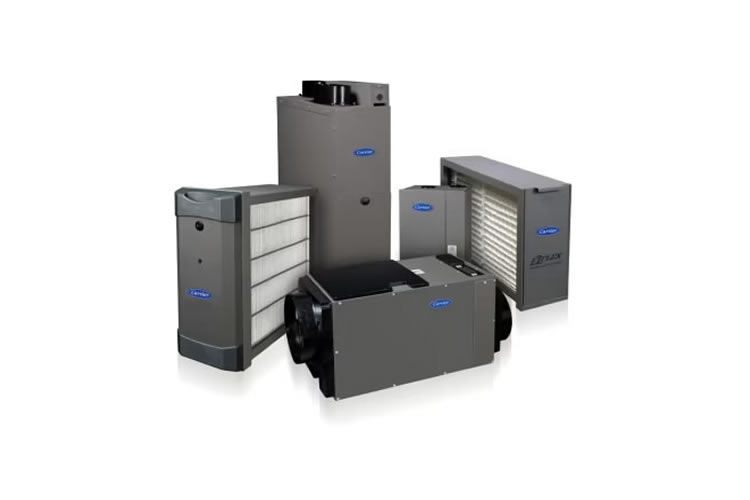
Whole-home dehumidifiers tie into the HVAC ductwork and run independently of the AC, removing 70-100 pints daily. They excel during shoulder seasons (March-April, October-November) when AC runtime is short but outdoor humidity remains high. Installed costs range $1,500-$3,000, but they pay back quickly by allowing higher thermostat settings (2-4°F) without sacrificing comfort.
Portable units cost $200-$400 and work well for targeted rooms; empty the bucket or connect a drain hose to avoid constant monitoring.
Improve Ventilation and Air Exchange Habits
Opening windows feels intuitive on mild days, but in Savannah, a “nice” 75°F afternoon often carries a dew point of 65-70°F—bringing in more moisture than relief. Limit window opening to very dry evenings (rare in coastal Georgia) and close them when outdoor humidity exceeds indoor levels.
Use ceiling fans on low to circulate air and create a wind-chill effect, allowing you to raise the AC setpoint 2-4°F without losing perceived comfort. Fans do not remove moisture but help you tolerate slightly higher humidity.
Seal obvious air leaks around windows, doors, attic hatches, and electrical outlets—humid outdoor air infiltrates through gaps, overwhelming the AC’s dehumidification capacity. Weatherstripping and caulk are inexpensive fixes that reduce infiltration by 10-20%.
Use Moisture-Absorbing Materials and Desiccants
Place moisture-absorbing products in problem areas: silica gel packs or calcium chloride buckets in closets, bathrooms, and basements pull water from the air passively. In linen closets or pantries, these can keep small spaces noticeably drier.
For larger spaces, rock salt or commercial desiccants in open containers work modestly but require frequent replacement in humid conditions. These are supplements, not primary solutions—effective for spot control but not house-wide humidity management.
Additional Low-Effort Adjustments That Help
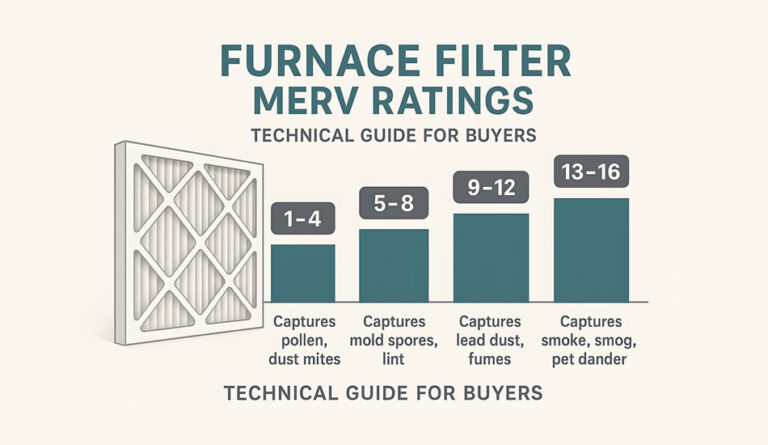
Avoid indoor clothes drying—hang wet laundry outside or use a vented dryer. Cover fish tanks and reduce houseplant numbers if humidity is borderline—both add measurable moisture. Keep bathroom and kitchen doors closed during/after moisture-heavy activities to contain vapor. Maintain AC filters monthly—clogged filters reduce airflow and dehumidification, worsening humidity issues.
When These Methods Aren’t Enough
If indoor humidity stays above 55-60% despite these steps, the HVAC system itself is likely the bottleneck—oversized and short-cycling, low refrigerant, dirty coil, or clogged drain. Professional diagnostics are needed to restore proper moisture removal.
Carriage Heating & Cooling assesses humidity sources during maintenance visits, measuring levels, inspecting coils/drains, and recommending fixes like dehumidifier additions, UV lights, or system adjustments—tailored to keep your home dry and comfortable in Pooler, Savannah, Richmond Hill, Rincon, Tybee Island, and surrounding communities.