How to Choose an HVAC Installer in Pooler (What Most Companies Won’t Tell You)
Choosing the right HVAC installer in Pooler requires looking beyond flashy ads and low bids—focus on verifiable licensing with the Georgia State Construction Industry Licensing Board, proof of full liability insurance and workers’ compensation (minimum $1M coverage recommended), documented experience with at least 5-10 years in the local market, transparent pricing breakdowns without hidden fees, and strong references from recent Savannah-area jobs.
Bottom line: The best installers provide detailed load calculations (Manual J), written proposals itemizing equipment specs (brand, model, SEER rating), labor, permits, and warranties, plus clear communication about timelines and post-install support—avoid companies that pressure for quick decisions, skip proper sizing, or can’t show active insurance certificates.
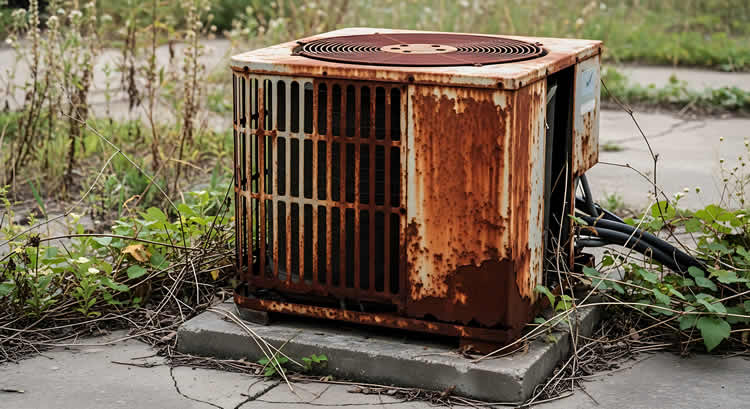
In the Greater Savannah region, including Pooler, Richmond Hill, and Rincon, proper installation matters more due to high humidity, salt air corrosion near the coast, pollen buildup, and frequent thunderstorms that stress electrical components. A poorly sized or installed system wastes energy, struggles with dehumidification, and fails prematurely—costing thousands in repairs or early replacement.
Verify Licensing and Insurance First
Georgia requires HVAC contractors to hold a conditioned air license (Class II for residential) from the State Construction Industry Licensing Board—check status online via the Georgia Secretary of State website or ask for the license number and verify it yourself.
Demand current certificates of insurance: general liability ($1M+ per occurrence) and workers’ compensation. Without workers’ comp, you could face liability if a worker gets injured on your property. Many companies carry insurance but let it lapse—request updated proof, not just verbal assurance.
Bonded status adds protection against incomplete or substandard work—ask if they’re bonded and what the bond covers.
Look for Local Experience and Specialization
Prioritize installers familiar with Pooler’s mix of new construction (often higher-efficiency units) and older homes (potential duct challenges or undersized systems). Coastal knowledge matters for salt-resistant materials and corrosion prevention.
Ask how many installations they’ve completed in the last 12 months in Chatham or Effingham counties—companies doing 50+ local jobs annually handle regional code variations and supplier relationships better, reducing delays.
Check if they specialize in brands common in Georgia (Trane, Carrier, Lennox, Goodman) and offer high-SEER options that qualify for utility rebates or federal tax credits.
Demand Proper Sizing and Load Calculation
Insist on a written Manual J load calculation—software-based assessment of your home’s square footage, insulation, windows, orientation, and occupancy. Guessing tonnage leads to short-cycling (inefficient, high bills) or constant running (poor humidity control).
In humid Savannah summers, undersized units fail to dehumidify, leaving homes clammy at 75°F; oversized units cool too quickly without removing moisture. A reputable installer performs this calculation on-site and shares the report.
Insist on Transparent, Itemized Proposals
A strong proposal lists:
- Equipment details: make, model, SEER2 rating, BTU capacity, warranty terms (parts often 10 years, compressor 10-12 years, labor 1-5 years)
- Labor breakdown: hours estimated, any extras like electrical upgrades or duct modifications
- Permits and fees: who handles filing and costs
- Refrigerant type and disposal of old unit
- Timeline: from permit to startup
- Payment terms: deposits (typically 30-50%), balance on completion
Avoid “ballpark” quotes or high-pressure tactics like “this deal ends today.” Compare at least three proposals side-by-side.
Check Reviews, References, and Red Flags
Read recent Google, Facebook, and BBB reviews—focus on comments about installation quality, cleanup, communication, and follow-up service. Look for patterns over volume; a few detailed negative reviews about hidden fees or poor workmanship carry more weight than generic positives.
Ask for 3-5 recent references in your area and contact them—ask specifically about surprises, timeline adherence, and post-install performance.
Red flags include:
- No physical office or local address
- Cash-only payments or reluctance for written contracts
- Pressure to sign without seeing a detailed proposal
- Claims of “no permit needed” for major replacements
- Very low bids (often cut corners on equipment or labor)
Post-Installation Support Matters
Choose installers offering startup checks (24-48 hours post-install), one-year labor warranties beyond manufacturer parts coverage, and easy access to service techs.
In Pooler’s growing market, companies tied to Housecall Pro for scheduling provide clearer communication and faster follow-up.
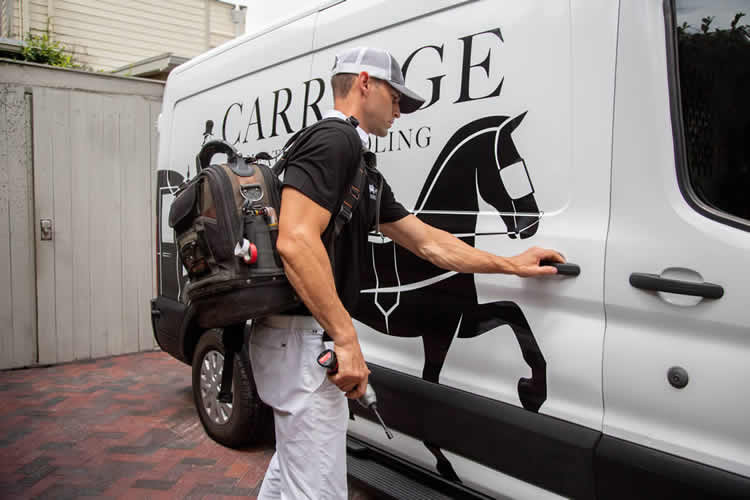
Carriage Heating & Cooling stands out with transparent processes, licensed technicians, proper sizing calculations, detailed proposals, and strong local reputation—ensuring installations that perform reliably in Greater Savannah’s challenging climate.