How Often Should You Service Your AC in Savannah’s Climate?
In Savannah’s hot, humid subtropical climate—with average summer highs of 92-95°F, relative humidity often 75-85%, and a cooling season stretching from March or April through October—most HVAC professionals recommend servicing your AC at least once per year, ideally in early spring (February-March) before peak heat arrives. For homes with heavy usage, older systems (10+ years), or coastal exposure to salt air, twice-yearly service—once in spring for AC prep and once in late summer or fall—provides better protection against accelerated wear from constant runtime, pollen, moisture, and corrosion.
Bottom line: Annual professional service is the minimum for reliable performance and efficiency in Greater Savannah; biannual tune-ups often prove more cost-effective by catching issues early, preventing $300-$1,000+ breakdowns during heat waves, and maintaining 10-15% better energy efficiency in conditions that force systems to run 16-18 hours daily at peak.
Your AC removes both heat and moisture from indoor air to keep homes comfortable. In Pooler and surrounding areas, extended run times—sometimes seven to eight months of near-continuous operation—combined with high pollen in spring, afternoon thunderstorms, and salt-laden breezes near Tybee Island or Garden City, place extra stress on components like coils, compressors, and electrical parts. Without regular service, efficiency drops, bills rise, and failures become more likely when you need cooling most.
Why Savannah’s Climate Demands More Frequent Attention
High humidity forces the AC to dehumidify alongside cooling, increasing workload by 20-30% compared to drier regions. This leads to faster buildup of condensation, mold on evaporator coils, and algae in drain lines—issues that reduce airflow and strain the system.
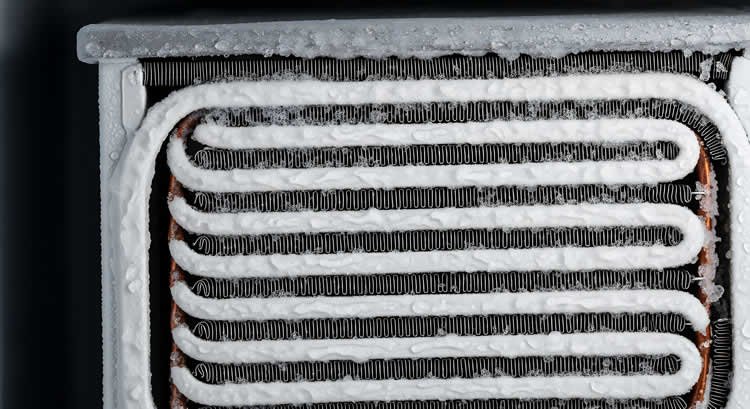
Pollen seasons (especially March-April with pine and oak) coat outdoor units and clog filters rapidly, restricting heat exchange and risking frozen coils if airflow drops too low.
Coastal salt air corrodes condenser fins, copper lines, and connections quicker in areas like Tybee or near the Savannah River, shortening component life by 2-5 years without protective cleanings and inspections.
Frequent power surges from storms can damage capacitors and contactors, while construction dust in growing Pooler neighborhoods adds debris load.
These factors mean general manufacturer guidelines (often annual) fall short here—local experts adjust recommendations upward for longevity and reliability.

Recommended Service Frequency by System and Home Type
For most standard central AC systems in the Greater Savannah area, schedule professional service once annually in early spring. This timing catches winter inactivity issues (like debris accumulation or minor corrosion) and prepares the unit for heavy summer demand.
Homes with high usage (large families, poor insulation in historic Savannah districts, or constant occupancy) or older units (over 10 years) benefit from biannual service. A spring tune-up readies cooling, while a late-summer or fall check confirms no hidden damage from peak-season stress.
Coastal properties facing salt exposure or homes with ductless mini-splits (common in newer builds) often warrant twice-yearly visits to combat accelerated corrosion and maintain performance.
If your system includes a heat pump (common for mild winters), annual service suffices for many, but biannual adds value for comprehensive checks across modes.
What a Professional AC Service Includes at Each Interval
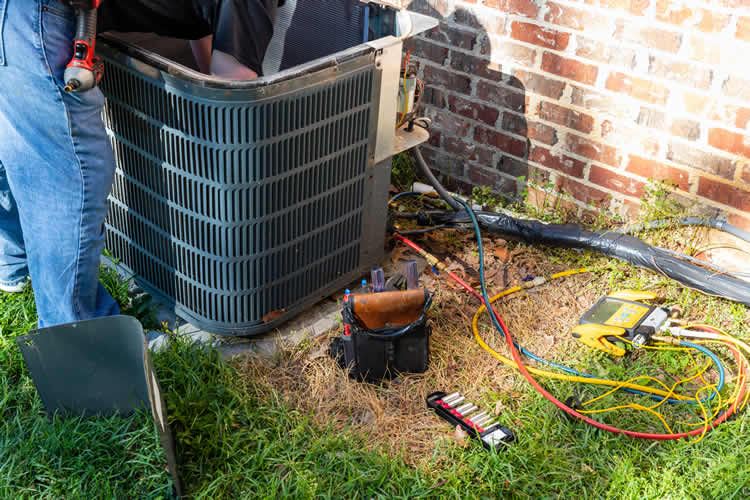
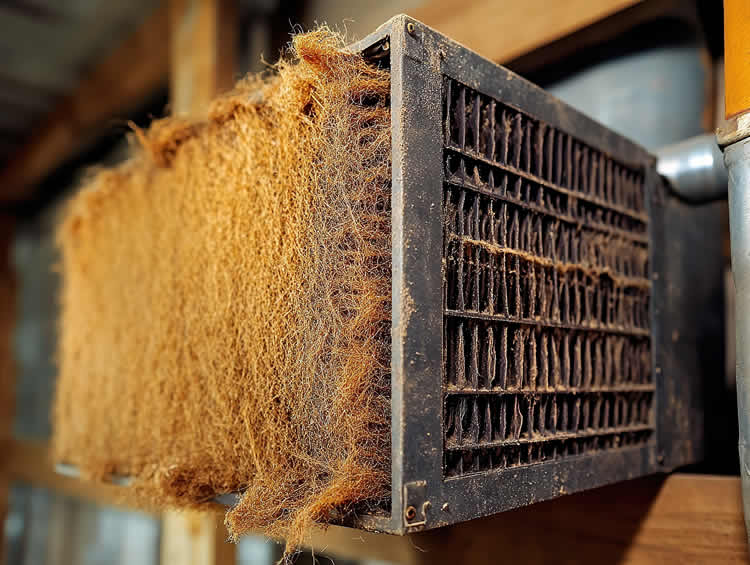
Spring visits emphasize refrigerant pressure checks, coil cleaning (evaporator and condenser to remove pollen/debris), drain line flushing with biocide, electrical testing (capacitors, contactors), lubrication of moving parts, thermostat calibration, and airflow verification.
Late-summer/fall follow-ups focus on post-season assessment: inspecting for wear from heavy runtime, cleaning any accumulated mold or salt residue, re-checking refrigerant, and preparing for occasional heating use.
Both include running the system to confirm 15-20°F temperature drop across the coil and documenting findings for warranty purposes.
These deep inspections go beyond DIY tasks and catch problems like small leaks or failing components early.
Homeowner Tasks to Bridge Service Intervals
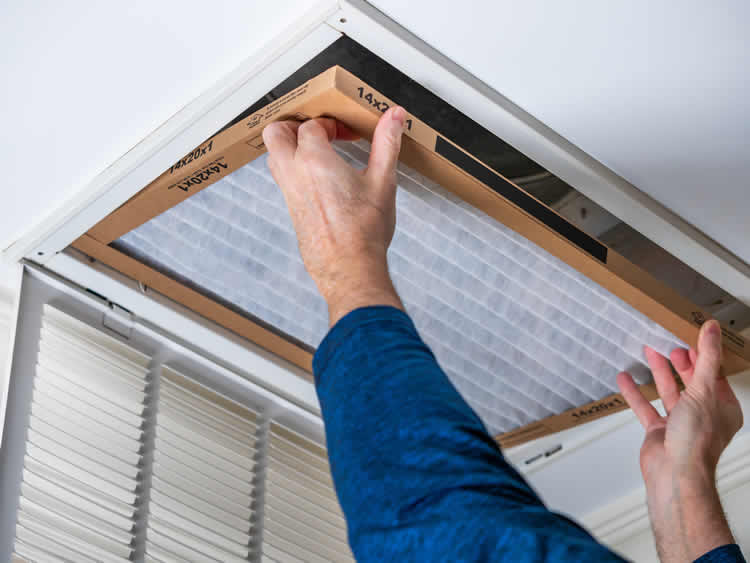
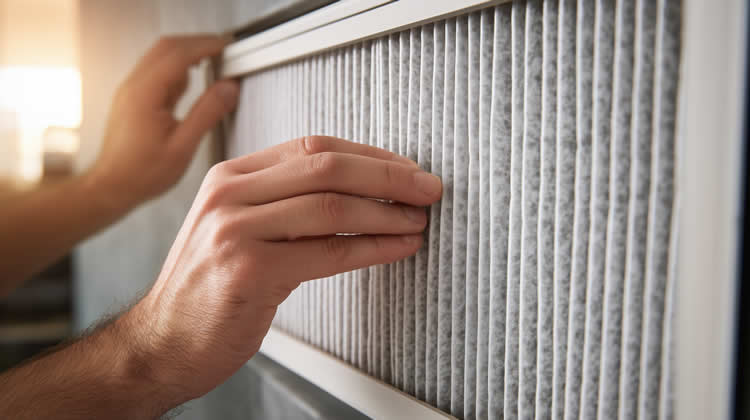
Change air filters every 30 days during pollen season (March-May) and peak cooling (June-August), extending to every 1-3 months otherwise—critical in humid Georgia where dirty filters reduce efficiency fast.
Keep the outdoor unit clear of vegetation, leaves, and storm debris, maintaining 2 feet clearance for airflow.
Monitor indoor humidity (aim for 45-55%) with a hygrometer; if consistently high, service may need to address drainage or coil issues sooner.
Watch energy bills and run times—if bills spike 15%+ or the unit runs constantly without adequate cooling, schedule an extra check.
These habits extend intervals between professional visits and maximize their impact.
When to Increase Frequency Beyond Standard Recommendations
If you’ve had recent repairs (e.g., refrigerant recharge or coil issues), follow up with service sooner to verify fixes.
Notice signs like longer run times, higher bills, unusual noises, or reduced cooling—don’t wait for the next scheduled visit.
In extreme years with prolonged heat waves or heavy pollen, an additional mid-summer inspection prevents escalation.
For peace of mind in demanding conditions, many Savannah homeowners opt for biannual plans that lock in priority and discounts.
Carriage Heating & Cooling tailors service frequency to your home’s specifics—system age, location, and usage—using Housecall Pro for easy scheduling and transparent reporting across Pooler, Savannah, Richmond Hill, and nearby areas.