Ductwork Replacement: Signs You Need It and What It Costs in Savannah
Ductwork replacement in the Greater Savannah area becomes necessary when you notice significant energy bill increases (20%+ without explanation), uneven room temperatures, excessive dust around vents, visible damage like disconnected or crushed sections, persistent musty odors or mold growth, or poor airflow even after filter changes and coil cleaning—common issues in humid coastal climates where moisture, pollen, and aging materials accelerate deterioration.
Bottom line: Full duct replacement costs $1,200 to $5,000+ for a typical 2,000-3,000 sq ft home in Pooler or Savannah, depending on accessibility (attic vs. crawlspace), material (flexible vs. rigid metal), length of runs, and any needed insulation upgrades—often paying for itself in 3-7 years through 20-30% energy savings and better indoor air quality in Georgia’s long, humid cooling seasons.
In the Greater Savannah region, duct systems face unique challenges: high humidity promotes mold and condensation inside poorly insulated ducts, pollen and construction dust in areas like Bloomingdale or Rincon clog and degrade liners, salt air near Tybee Island or Garden City corrodes metal components faster, and older historic Savannah homes often have undersized, leaky, or poorly sealed ducts from decades of settling and renovations. These factors cause efficiency losses far quicker than in drier climates, making timely replacement a high-impact upgrade.
Key Signs Your Ductwork Needs Replacement
Persistent high energy bills despite clean filters, tuned-up equipment, and proper thermostat settings often trace back to duct leaks losing 20-40% of conditioned air before it reaches rooms—especially in unconditioned attics or crawlspaces common locally.
- Uneven temperatures persist across floors or rooms (differences of 6-10°F+), even with balanced vents—indicating blockages, restrictions, or disconnected sections that force the system to overwork.
- Excessive dust buildup on furniture, around supply vents, or on registers signals leaking return ducts pulling in attic/crawlspace contaminants instead of filtered air—worsening allergies in pollen-heavy springs.
- Musty, moldy, or “dirty sock” odors from vents point to microbial growth inside damp ducts, a frequent problem in humid Georgia without proper insulation or drainage.
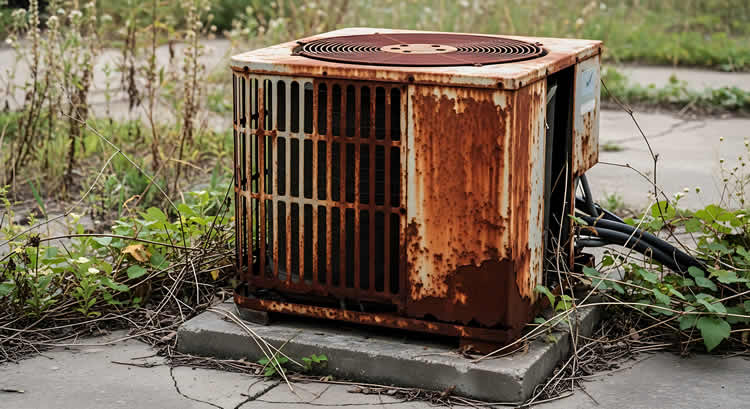
- Visible damage during inspections: crushed flexible ducts, disconnected joints, heavy rust on metal, torn insulation, or excessive condensation on exterior surfaces—all reduce airflow and efficiency.
- Professional duct testing (blower door or smoke test) reveals leakage rates above 15-20%—a clear indicator replacement is more cost-effective than repeated sealing attempts.
- Poor indoor air quality despite regular filter changes, or frequent HVAC short-cycling, further confirms ducts as the weak link.
Factors That Determine Duct Replacement Costs in Our Area
- Home size and layout: 1,500-2,000 sq ft homes average $1,200-$3,000; larger 3,000+ sq ft properties with complex runs reach $4,000-$7,000.
- Accessibility: Attic installations cost less ($8-$15 per linear foot) than crawlspaces or slab foundations ($12-$25 per foot) due to labor intensity.
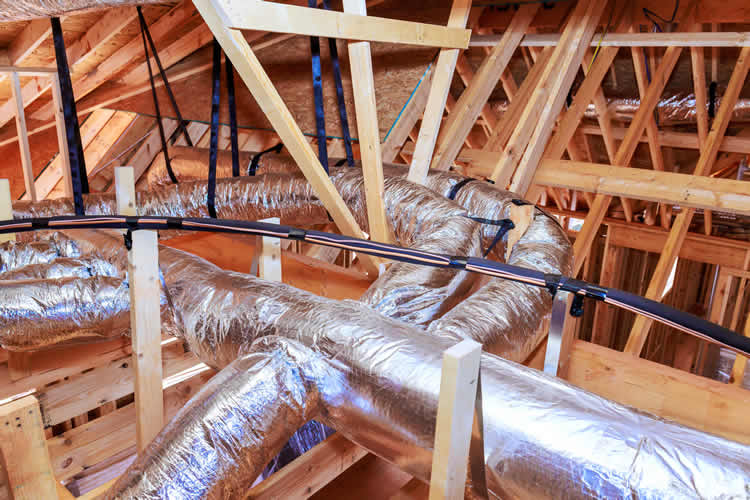
- Material choices: Flexible insulated duct (common for retrofits) runs $1-$3 per foot; rigid sheet metal or fiberglass board offers better durability and airflow but costs $5-$12 per foot installed.
- Scope: Full replacement vs. partial (e.g., only supply runs or problematic sections), plus add-ons like improved insulation (R-8 recommended in Georgia), sealing, or zoning dampers.
- Labor and permits: Local codes require permits for major ductwork; licensed installers handle this, adding $200-$500 to the project.
Regional pricing reflects higher demand in growing Pooler areas and coastal corrosion concerns—expect 10-20% above national averages for quality work.
Benefits of Timely Duct Replacement
- Energy savings of 20-30% from reduced leaks and better airflow—significant during 6-7 months of heavy AC use.
- Improved comfort with consistent temperatures and stronger dehumidification in muggy conditions.
- Cleaner indoor air by eliminating contaminant entry points and mold sources.
- Quieter operation and longer HVAC equipment life from reduced strain.
- Potential qualification for Georgia Power rebates or federal energy efficiency incentives when upgrading to sealed, insulated ducts.
What to Expect During the Process
A professional assessment includes visual inspection, airflow measurements, and leakage testing to confirm scope.
Replacement typically takes 1-3 days: old ducts removed (or abandoned if inaccessible), new runs installed, connections sealed with mastic, insulation added where needed, and system tested for balance and performance.
Cleanup includes debris removal and final walkthrough explaining improvements.
Carriage Heating & Cooling provides thorough duct evaluations, transparent itemized quotes, and expert installation using quality materials suited to Greater Savannah’s climate—ensuring long-term efficiency and comfort for homes in Pooler, Savannah, Richmond Hill, Rincon, and nearby communities.