Ductless vs. Central Air: Which Is Better for Savannah Homes?
For most homes in the Greater Savannah area, central air conditioning remains the better overall choice when the house already has existing ductwork in good condition—providing even whole-home cooling, higher total airflow volume, and lower upfront cost for systems serving 2,000+ square feet—while ductless mini-splits are superior for additions, older homes without usable ducts, rooms needing independent temperature/humidity control, or situations where duct installation would be disruptive or prohibitively expensive.
Bottom line: In Savannah’s high-humidity climate (75-85% relative humidity May-October, dew points often 70°F+), ductless mini-splits frequently deliver noticeably better comfort and lower energy bills in zoned or supplemental applications because their inverter-driven variable-speed compressors run longer cycles that remove 20-40% more moisture than short-cycling central systems, but central air wins for seamless whole-house coverage when ducts are present and well-maintained.
Savannah’s subtropical conditions demand strong dehumidification alongside temperature reduction. Afternoon thunderstorms bring sudden humidity spikes, pollen seasons coat coils and filters, and salt air near Tybee Island or Garden City accelerates outdoor unit corrosion. Both systems can work well, but the right choice depends on your home’s construction, existing infrastructure, usage patterns, and whether the priority is uniform whole-home comfort or targeted zoned control.
Whole-Home Cooling: Central Air Usually Has the Edge
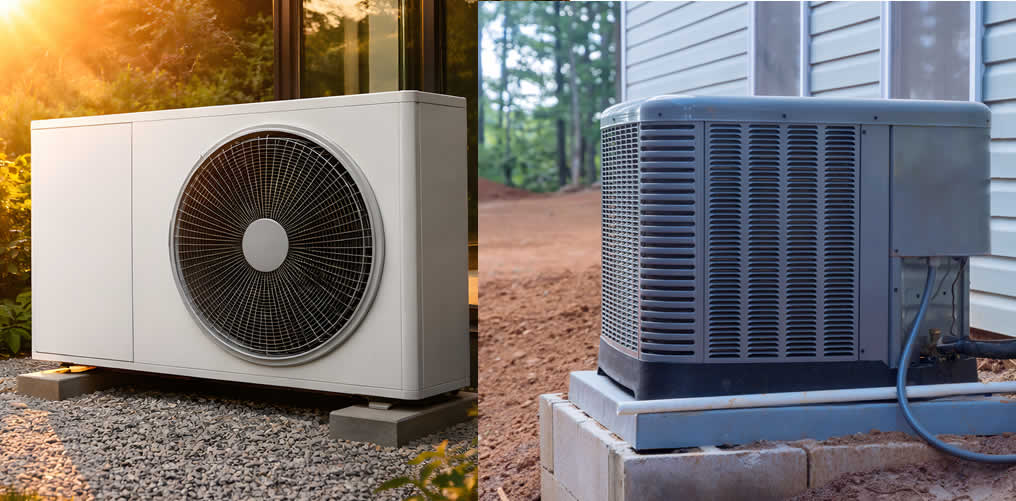
Central air systems use a single outdoor condenser connected to an indoor air handler that distributes conditioned air through a network of supply and return ducts. When ducts are properly sized, sealed, and insulated, central air moves large volumes of air quickly—typically 400 cubic feet per minute per ton—creating fast initial cooldown and consistent temperatures across large, open floor plans.
In newer Pooler subdivisions or larger Richmond Hill homes with modern ductwork, central systems provide seamless comfort without visible indoor equipment. A properly sized single-stage or two-stage central unit handles peak loads efficiently, and variable-speed blower options improve dehumidification by slowing airflow across the coil during part-load conditions.
Central systems also integrate easily with whole-home filtration, UV lights, humidifiers/dehumidifiers, and zoning dampers—features that many Savannah homeowners add to combat pollen and humidity. Upfront equipment cost is often lower per ton than ductless, and replacement is straightforward when ducts exist.
Zoned and Supplemental Cooling: Ductless Mini-Splits Pull Ahead
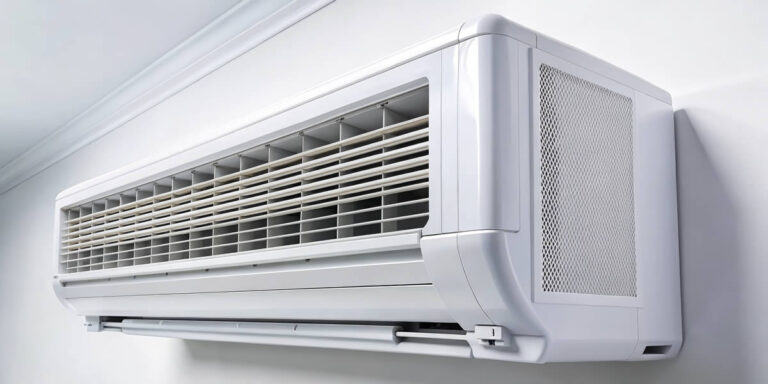
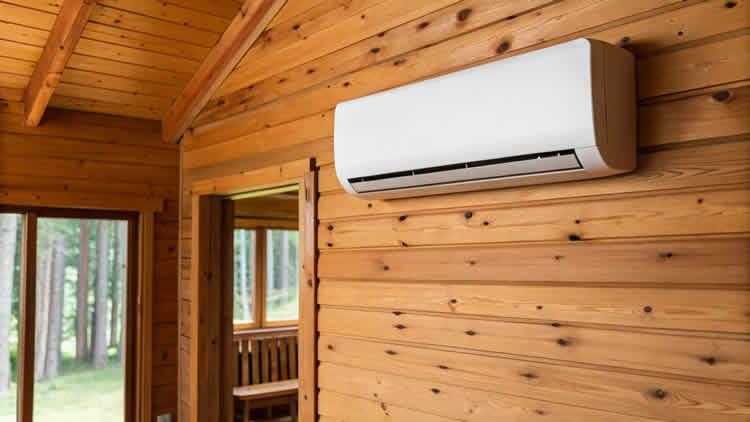
Ductless mini-splits shine where central systems struggle: rooms or zones that are hard to reach with ducts, spaces with intermittent occupancy, or homes where adding/modifying ductwork would require opening walls, ceilings, or attics.
In historic Savannah homes—many with plaster walls, limited attic access, high ceilings, or original ductwork that has deteriorated—extending central ducts is invasive, expensive, and often creates new leaks or airflow restrictions. A ductless indoor unit mounts directly in the room (wall, ceiling cassette, or floor console), delivering conditioned air exactly where needed without duct losses (which can waste 20-30% of capacity in unconditioned attics).
Variable-speed inverter compressors in mini-splits adjust output continuously, running longer at lower capacity to maintain setpoint. This produces superior dehumidification: longer coil contact time extracts more moisture, often keeping indoor relative humidity 5-10 points lower than a short-cycling central system. Many models include dedicated dry modes that prioritize moisture removal with minimal temperature change—valuable during rainy periods or shoulder seasons when full cooling isn’t required.
Zoning is inherent: each indoor unit operates independently. Cool the master bedroom to 72°F at night while the living area stays at 78°F, or condition a home office during work hours without running the whole house. This targeted approach cuts energy use significantly in homes where occupancy varies by room.
Head-to-Head Comparison for Savannah Conditions
Dehumidification Ductless: Superior in most cases due to longer cycles and no duct condensation losses. Central: Good with variable-speed blowers or whole-home dehumidifier add-ons; poor when oversized and short-cycling.
Energy Efficiency Ductless: Higher SEER ratings (20-30+) and no duct losses; excellent for zoned use. Central: Competitive at high SEER but duct leakage and fan energy reduce real-world efficiency.
Installation Disruption Ductless: Minimal—one small wall hole per indoor unit, 4-8 hours per zone. Central: Major if adding/modifying ducts; days to weeks of drywall, dust, and disruption.
Upfront Cost Ductless: Higher per ton ($3,000-$6,000 single-zone, $6,000-$12,000+ multi-zone). Central: Lower per ton for whole-home coverage when ducts exist.
Aesthetics & Noise Ductless: Visible indoor units (though slim/modern); very quiet indoors. Central: Hidden vents; blower noise can carry through ducts.
Maintenance Both require filter cleaning, coil/drain service, and annual checks—ductless indoor units easier for owners to access filters, but coils often need professional access.
When to Choose Each System in Greater Savannah
Choose central air if:
- You have existing, reasonably intact ductwork.
- You want uniform whole-home comfort without visible indoor equipment.
- The home is larger (2,000+ sq ft) with open floor plans.
- Budget prioritizes lower upfront cost over zoned flexibility.
Choose ductless mini-split if:
- You have additions, bonus rooms, or converted spaces without ducts.
- You live in an older home where duct extension is impractical.
- You want independent control (cooler bedrooms, warmer living areas).
- Superior humidity control and energy savings in partial-house use matter most.
Carriage Heating & Cooling performs detailed load calculations and site evaluations to compare both options honestly for your specific home—whether central replacement, ductless addition, or hybrid approach—ensuring optimal comfort and efficiency in Pooler, Savannah, Richmond Hill, Rincon, and surrounding communities.