Ductless Mini-Split Maintenance
Ductless mini-split maintenance requires more than just rinsing the outdoor unit and hoping for the best—most owners skip the indoor coil cleaning, condensate drain flushing, and filter deep cleaning that prevent 70-80% of performance loss, mold growth, and premature component failure in Savannah’s high-humidity environment.
Bottom line: In the Greater Savannah area, where indoor units run almost continuously from April through October in 75-85% relative humidity with frequent pollen and salt air exposure, skipping monthly filter cleaning and annual professional coil/drain service can cut dehumidification capacity by 20-40%, raise energy bills 15-25%, and lead to musty odors or coil freeze-ups within 2-3 years—regular attention keeps the system removing 0.5-1.5 pints of moisture per hour more efficiently than a neglected unit.
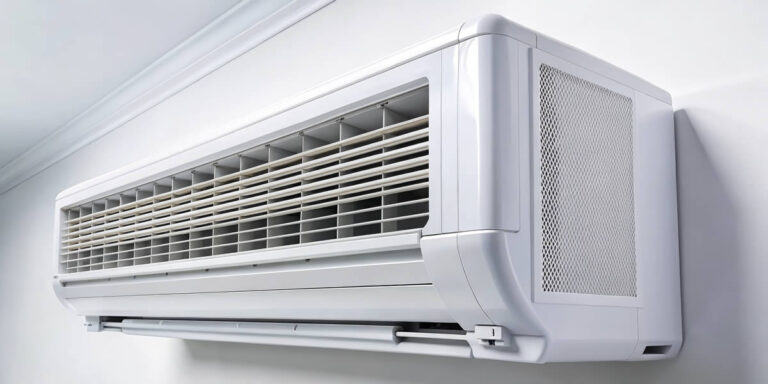
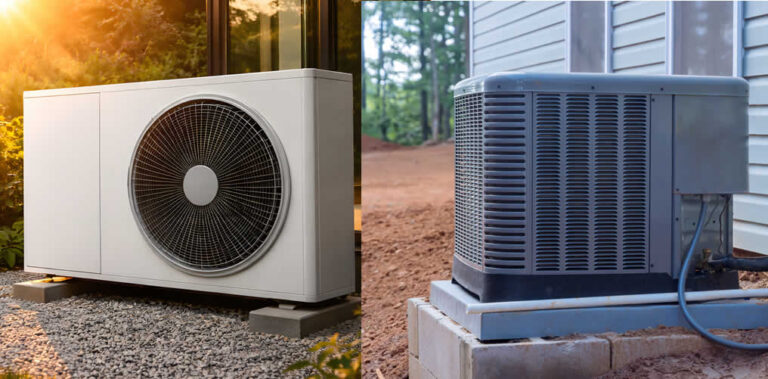
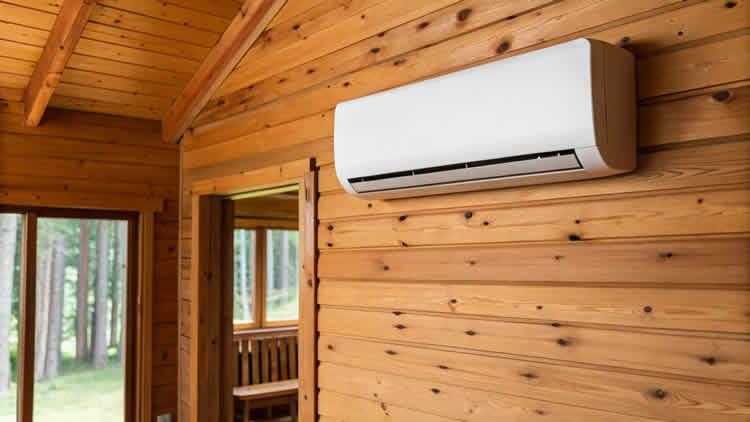
Ductless mini-splits have separate indoor and outdoor sections connected by refrigerant lines, making maintenance split between the two. The indoor air handler—usually wall-mounted—handles the bulk of air filtration, cooling, dehumidification, and condensate drainage, while the outdoor condenser expels heat and collects debris from coastal winds and storms.
In Pooler’s humid subtropical conditions, with dew points often above 70°F in summer and salt-laden air accelerating corrosion near Tybee Island or Garden City, neglected maintenance turns the system from an efficiency asset into a moisture-trapping, contaminant-distributing liability.
Why Most Owners Under-Maintain Mini-Splits
The indoor unit looks clean on the surface—no visible dust like a central system’s return grille—so owners assume it’s fine. Filters are small and easy to access, but the evaporator coil behind them is hidden and stays perpetually wet in humid climates, creating ideal conditions for biofilm, mold, and bacteria. The condensate drain line, often 1/2-inch PVC, handles high water volumes but clogs easily with algae in warm, dark conditions. Outdoor units get occasional hose-downs, but fins bend easily and salt residue builds without proper cleaning.
Skipping these steps compounds: restricted airflow reduces dehumidification, dirty coils lose heat transfer, clogged drains back up into the pan, and overflow triggers safety switches that shut the system down—often during the hottest week of the year.
Monthly Tasks Every Owner Should Do
Start with the indoor unit filters—most models have washable mesh filters behind a front panel that pops off without tools. Remove them, rinse under lukewarm water (no hot water or dish soap that leaves residue), air dry completely, and reinstall. In Savannah’s pollen season (March-May) and peak summer dust/humidity, do this every 2-4 weeks; waiting until visibly dirty lets particles bypass into the coil.
Check the condensate drain outlet—usually a small pipe exiting the wall below the indoor unit. Pour 1 cup of 1:1 white vinegar and water mixture into the drain access port (some units have a removable cap or T-fitting) to discourage algae. Follow with a cup of plain hot water to flush. Do this monthly during cooling season; neglect leads to standing water and musty odors distributed room-wide.
Wipe the indoor unit exterior and intake grille with a soft, damp cloth—no harsh chemicals that could damage plastic or electronics. Keep furniture or curtains at least 12 inches away from the unit to maintain airflow.
For the outdoor unit, clear vegetation and debris within 2 feet, remove leaves/pollen after storms, and gently rinse the coil with a garden hose on low pressure (never a pressure washer—fins are thin aluminum). In coastal areas, rinse monthly to remove salt buildup that corrodes fins and reduces heat rejection.
Annual or Biannual Tasks (Professional Recommended)
The evaporator coil inside the indoor unit needs deep cleaning—most owners never access it. A technician removes the front panel and blower assembly (or uses no-rinse coil cleaner through access ports on some models), applies approved foaming cleaner, lets it dwell, and rinses or vacuums residue. In humid Georgia, this prevents biofilm that reduces dehumidification by 20-30% and releases spores when the blower runs.
Condensate drain line requires full flushing—technicians use a wet vac or compressed nitrogen to clear slime buildup beyond what vinegar reaches. They often install or replace an algae-resistant trap or UV light in the drain path.
Outdoor coil cleaning goes deeper: chemical wash for salt/pollen crust, fin combing to straighten bent fins, and electrical checks (capacitors, contactors) that fail faster in humid/salty air.
Refrigerant pressure verification and line set inspection catch slow leaks early—low charge reduces both cooling and dehumidification.
These steps cost $150-350 annually but preserve 15-25% efficiency and prevent $1,000+ repairs from frozen coils or compressor strain.
Signs Maintenance Has Been Skipped Too Long
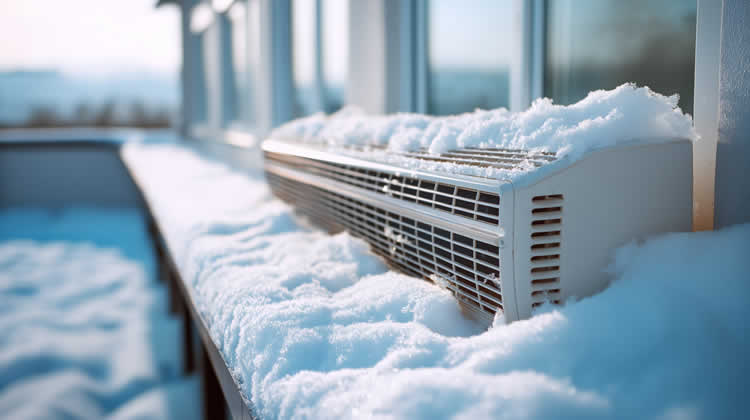
Musty or “dirty sock” odors from the indoor unit indicate coil or drain contamination. Reduced airflow or weak cooling despite clean filters points to restricted coil. Water dripping from the indoor unit or frequent safety shutoffs signal drain backup. Higher bills or longer run times in the same weather show lost efficiency. Ice on the indoor coil during cooling means severe airflow restriction or low refrigerant from neglect.
Making Maintenance Routine in Savannah’s Climate
Set calendar reminders for filter rinses and drain pours—tie them to pollen alerts or utility bill cycles. Schedule professional service in spring (pre-peak cooling) and fall (post-season check)—twice yearly is ideal for coastal humidity and salt exposure. Use manufacturer apps (many units have Wi-Fi) for filter reminders and error codes. Choose high-efficiency filters if your model supports them—some accept MERV-8-11 without airflow penalty.
Carriage Heating & Cooling performs detailed mini-split maintenance with coil deep cleans, drain flushing, refrigerant checks, and humidity performance verification, tailored to Greater Savannah’s challenging conditions—keeping your system dry, efficient, and odor-free in Pooler, Savannah, Richmond Hill, Rincon, and nearby areas.