Is it worth the risk to install thermostats myself, or should I pay to have them installed?
It’s common for homeowners like you in Savannah, GA, to consider tackling thermostat installations as a DIY project. However, before you grab your toolbox, it’s important to weigh the risks involved. Improper installation can lead to inefficient heating and cooling, expensive repair bills, or even safety hazards. This blog post will explore whether the potential cost savings of DIY installation are worth the possible pitfalls, or if hiring a professional is the safer and more reliable option you need for your home comfort.
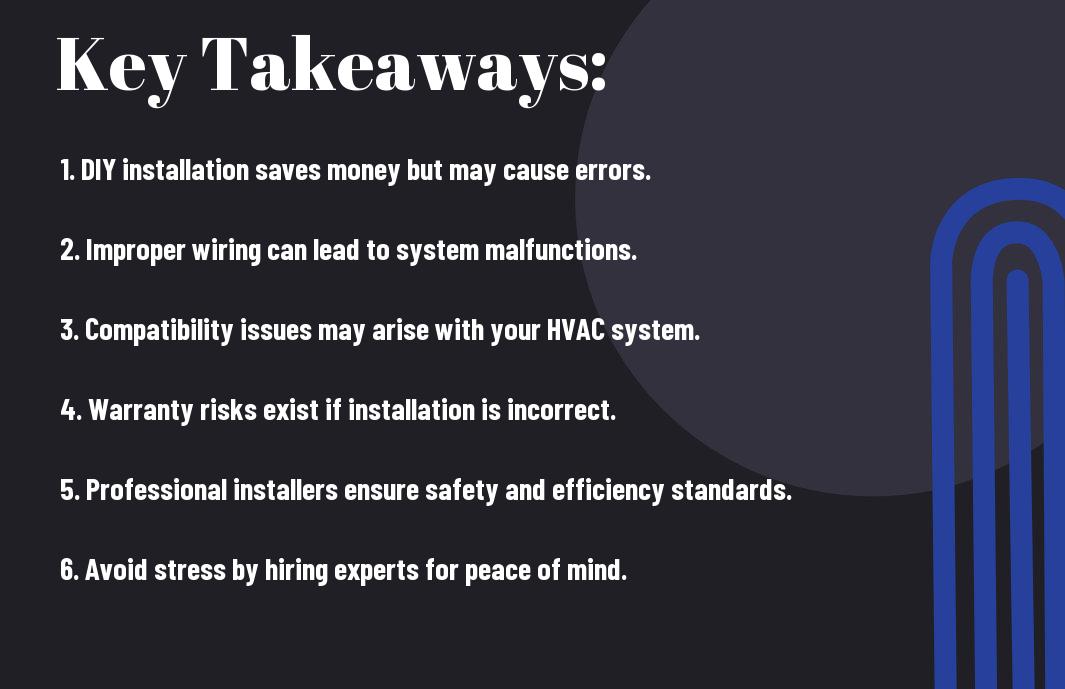
Key Takeaways:
- Potential Risks: Installing a thermostat yourself may lead to wiring mistakes, which could cause system damage or create safety hazards, especially in the humid climate of Savannah, GA.
- Warranty Concerns: Some manufacturers void warranties if a thermostat is not installed by a professional, resulting in added costs for repairs or replacements down the line.
- Time vs. Cost: While DIY installations may seem cost-effective, consider the time needed to learn the process and troubleshoot any issues, which could outweigh the expense of hiring a qualified technician.

Understanding Thermostat Types
Before you decide whether to install a thermostat yourself, it’s important to understand the different types available. Each type has distinct features which can affect your home’s heating and cooling efficiency. Consider the following:
| Thermostat Type | Key Features |
|---|---|
| Manual | Requires manual adjustments. |
| Programmable | Allows scheduling for different temperatures. |
| Smart | Integrates with home automation systems. |
| Wi-Fi Enabled | Control remotely via smartphone apps. |
| Non-Programmable | Basic functionality without scheduling. |
Knowing the differences will help you choose the right thermostat for your home needs.
Manual vs. Programmable Thermostats
Between manual and programmable thermostats, the latter offers increased convenience and potentially greater energy savings. Manual models require you to adjust settings each time, while programmable ones allow you to set a schedule, optimizing your HVAC system’s operation and saving you money in the long run.
Smart Thermostats
Across the spectrum of thermostat technology, smart thermostats stand out by providing superior convenience and energy efficiency. These devices are capable of learning your preferences and adjusting temperatures accordingly. They can also be integrated into your smart home systems, allowing for remote access and monitoring through your smartphone.
Manual adjustments may work for some homeowners, but as energy costs rise, using smart thermostats can lead to significant savings by optimizing your heating and cooling automatically. Moreover, they offer features such as real-time energy consumption data, alerts on abnormal usage, and integration with other smart home devices. By leveraging these benefits, you’re not only enhancing your comfort but also making a positive impact on your energy bills.
Benefits of DIY Installation
The allure of installing a thermostat yourself comes with a variety of benefits. Not only can you enhance your home’s comfort by customizing the settings according to your preferences, but you also gain hands-on experience with your home’s systems. This empowers you to troubleshoot in the future, making you more self-sufficient as a homeowner in Savannah. However, as straightforward as it may seem, ensure you are aware of the potential pitfalls before taking on this DIY task.
Cost Savings
By opting for DIY installation, you can save a significant amount of money that would otherwise go to professional fees. Many modern thermostats feature user-friendly designs and clear instructions, making it easier than ever for you to install them without needing an electrician. However, it’s vital to weigh these savings against any potential costs that might arise from mistakes during installation.
Personal Satisfaction
Below the surface of cost savings, a sense of personal satisfaction often accompanies completing a DIY project. Successfully installing your thermostat can make you feel accomplished and more connected to your home. It gives you a sense of pride in taking control of your living space and enhancing its comfort according to your individual needs.
Further, this accomplishment can serve as a confidence booster for future projects. If you manage to install a thermostat without a hitch, you may find yourself eager to tackle other home improvements. However, it’s vital to approach each new project with caution and awareness of your limitations, ensuring you don’t compromise the safety and function of your home. While the satisfaction of a job well done is rewarding, you should always assess whether the task at hand is within your skill range.
Risks of DIY Installation
After considering whether to install a thermostat yourself, you should weigh the risks involved. Improper installation can lead to malfunctions or even damage to your heating and cooling systems. Additionally, you may encounter compatibility issues if you do not know if you need to buy the same type of thermostat as the one you are replacing. For more information, you can explore this link.
Potential for Errors
The installation process can be complex, and errors can lead to improper calibration, resulting in inconsistent temperatures and increased energy bills. You might also accidentally connect wires incorrectly, which could cause short circuits or damage to the thermostat itself. Such mistakes can turn a simple project into an expensive one.
Warranty and Insurance Considerations
At the same time, taking on a DIY thermostat installation might affect your warranty or homeowners insurance. If you accidentally damage the unit during installation, you could void your warranty on both the thermostat and the HVAC system. Insurance claims resulting from faulty installations might also be denied, leaving you financially responsible for repairs.
Another key aspect to consider is how manufacturers often require professional installation to maintain warranty coverage. This stipulation means that if you handle the installation yourself and run into problems later, you could face significant repair costs without any manufacturer support. Additionally, your homeowners insurance policy could be impacted if an improperly installed thermostat triggers a fire or damages your property. Investing in professional installation can safeguard against these potential financial pitfalls.
Professional Installation Benefits
Unlike tackling the installation of a thermostat on your own, hiring a professional can bring several advantages. Professionals not only ensure that your thermostat is installed correctly, but they are also familiar with local building codes and regulations, which can prevent costly mistakes. By opting for professional help, you can also have peace of mind knowing that your home’s heating and cooling system will operate efficiently for years to come.
Expertise and Experience
At a professional installation, you benefit from the expertise and experience that qualified technicians offer. They understand the intricacies of different thermostat models and systems, allowing them to identify the best setup for your home. This knowledge reduces the risk of errors during installation, which could lead to inefficient system performance or damage to your HVAC system.
Time Efficiency
Below the surface of a quick DIY installation lies the potential for unforeseen complications that can eat up your time. Engaging a professional can eliminate the guesswork and focus your efforts on what truly matters—comfort in your home without the hassle of installation headaches.
With a professional, the installation process is streamlined, saving you valuable time. While you might think you can manage the installation quickly, consider the time spent researching, shopping for tools, and troubleshooting issues. A trained technician can typically complete the job in a fraction of the time, allowing you to enjoy your newly installed thermostat sooner rather than later.
Factors to Consider Before Making a Decision
To determine whether to install your thermostat or hire a professional, consider several key factors:
- Your technical ability to follow installation instructions
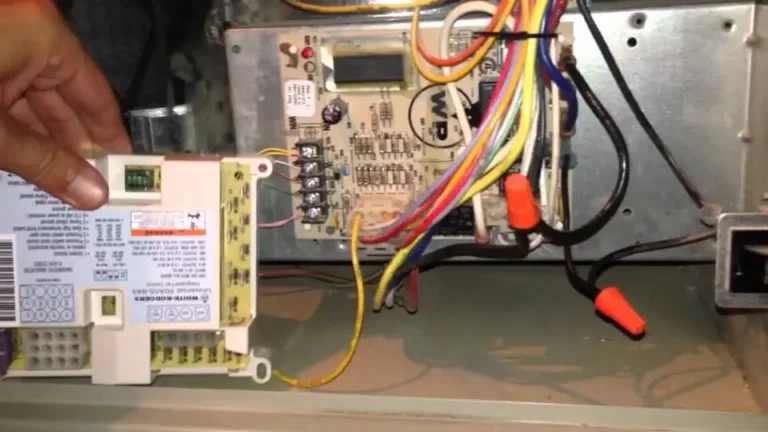
- The complexity of your existing HVAC system
- Time constraints and urgency of installation
- Potential safety risks and electrical codes
- Warranty implications for DIY installations
The more complex your needs, the more advisable it may be to seek professional assistance. For more information, visit Do You Need An Electrician To Install A Smart Thermostat?.
Level of Technical Skill
To successfully install a thermostat, you need to assess your technical skills. If you feel confident in reading wiring diagrams and handling basic electrical components, you may be able to manage the installation. However, if your skills are limited, hiring a professional will help you avoid costly mistakes and ensure that your heating and cooling system operates efficiently.
Complexity of the Existing System
Level of complexity is another aspect to think about before proceeding with your thermostat installation. Your current HVAC setup may have unique requirements that necessitate a more skilled approach.
Complexity increases if your existing system includes older wiring configurations, multiple zones, or additional heating sources. These features could complicate the installation process and may lead to potential errors. Addressing compatibility between your new thermostat and the existing equipment is imperative. A faulty installation could result in malfunctioning equipment or improper temperature control, leading to costly repairs and discomfort in your Savannah home.
Cost Comparison: DIY vs. Professional Installation
Not every homeowner has the skills or time to install thermostats themselves. Below is a breakdown of the costs involved in choosing DIY installation versus hiring a professional.
| Cost Factor | Approximate Costs |
|---|---|
| DIY (Materials Only) | $70 – $350 |
| Professional Installation | $200 – $550 |
Initial Costs
Around $70 to $350, you can purchase a thermostat if you choose the DIY route. However, this does not account for potential mistakes or additional repair costs if you mishandle the installation, which could add to your overall expenses.
Long-term Savings
Above the installation costs, you should consider potential energy savings from a properly installed thermostat, which can lead to lower utility bills. A smart thermostat can offer savings that outweigh initial costs over time.
Cost savings from energy efficiency are significant when a thermostat is installed correctly. Regularly maintained systems can enhance your HVAC’s efficiency, leading to decreased energy bills as well. Conversely, if you mishandle the installation, you risk reducing the system’s efficiency and increasing costs over time, negating any initial savings you might have hoped to gain.
Summing up
The decision to install a thermostat yourself or hire a professional ultimately hinges on your comfort level and expertise. While DIY installation may seem cost-effective, it carries risks such as improper wiring, potential damage to your HVAC system, and safety hazards. In a climate like Savannah, where efficient temperature control is important, hiring a qualified technician can ensure your thermostat is installed correctly, providing peace of mind and optimal performance. Weigh the potential risks against the savings of a DIY project before making your choice.
FAQ
Q: What are the main risks associated with installing a thermostat myself?
A: Installing a thermostat on your own can pose several risks. Firstly, if electrical connections are not correctly handled, it could result in short circuits or even damage to your heating and cooling systems. Additionally, improper installation might lead to inaccurate temperature readings which can cause discomfort in your home, increase energy bills, or even damage HVAC components over time. Furthermore, if you have a smart thermostat that requires Wi-Fi integration, you may encounter connectivity issues if not set up properly. Therefore, it might be beneficial to consider these potential pitfalls before deciding to install the thermostat yourself.
Q: How can hiring a professional benefit me when installing a thermostat?
A: Hiring a professional to install your thermostat can provide peace of mind and ensure the job is done correctly. Experienced HVAC technicians are familiar with various types of thermostats and understand the specific requirements that come with your home’s heating and cooling system. They can also run tests to confirm everything operates efficiently after installation, which helps prevent future problems. Furthermore, using a professional may come with a warranty on the installation, offering additional protection for your investment.
Q: Can I save enough money by doing it myself, or are the potential costs really worth it to hire someone?
A: While you may think that installing a thermostat yourself saves you money, the risks involved could lead to higher costs in the long run. If mistakes are made during installation, you might damage the thermostat or your HVAC system, resulting in repair bills that could far exceed what you would have spent on hiring a professional. Additionally, incorrect installations can lead to inefficiencies that raise your energy expenses. Thus, while the upfront cost of a professional might seem higher, it could save you from future headaches and expenses.