Common Causes of AC Unit Failure and How to Fix Them
There’s nothing worse than your AC unit breaking down in the middle of a heatwave. Understanding the common causes of AC unit failure can help you stay cool when temperatures soar. In this post, you’ll learn about typical issues that can lead to malfunction, and more importantly, actionable steps you can take to troubleshoot and fix them. Whether it’s a minor adjustment or a more serious repair, this guide will empower you to keep your home comfortable throughout the summer.
Understanding AC Unit Failure
Your air conditioning unit is a complex system that requires proper maintenance and attention to function effectively. Over time, various factors can lead to its breakdown, resulting in frustration and discomfort during hot months. Understanding the reasons for AC unit failure can help you safeguard your investment and ensure a comfortable indoor environment. Regular upkeep can mitigate many issues, but it’s imperative to stay informed about the common factors that contribute to breakdowns.
Common Factors Leading to Breakdown
Clearly, several factors can lead to the failure of your AC unit. These include inadequate maintenance, dirty or clogged air filters, refrigerant leaks, electrical issues, and mechanical wear and tear. Overlooking these factors may diminish your unit’s efficiency and longevity. The following is a list of common issues you may encounter:
- Neglecting regular maintenance
- Dirty or blocked air filters
- Insufficient refrigerant
- Electrical problems
- Worn-out components
Perceiving these potential triggers can help you identify problems early and keep your unit running smoothly.
Symptoms of an AC Unit in Distress
Leading indicators of an AC unit in distress often manifest in various ways. You may notice inconsistent cooling, strange noises, frequent cycling on and off, or an increase in energy bills. These symptoms serve as a warning that there could be underlying issues affecting your unit’s performance. Ignoring these signs could lead to more serious problems in the long run.
Plus, being attentive to your AC’s unusual behaviors can help you take timely action before a minor issue escalates. Unusual odors and excessive moisture around the unit are additional signs to look for. If you notice any of these symptoms, it’s vital to investigate further and consider reaching out to a professional for a thorough diagnosis to ensure your comfort and peace of mind. Taking proactive measures can go a long way in keeping your air conditioning system efficient and lasting for years to come.
How to Identify AC Issues
Clearly, being proactive in identifying potential AC issues can prevent minor problems from escalating into major repairs. Your air conditioning unit may display various symptoms that indicate something is amiss. Common signs include strange noises, insufficient cooling, or unexpected increases in energy bills. By paying attention to these cues, you can take the necessary steps to address them before they become too serious.
Diagnostic Tips for Homeowners
One effective way to pinpoint the issue with your AC unit involves conducting your own diagnostics. Start by checking your thermostat settings and ensuring that they are correctly adjusted. Also, inspect your air filters; dirty filters can obstruct airflow and reduce efficiency. Additionally, observe the area around your AC unit for any visible signs of damage or debris that may be blocking airflow. Here are some other tips to consider:
- Listen for unusual sounds, such as rattling or hissing.
- Check for any leaks or pooling water around the unit.
- Feel for airflow at the vents; weak airflow may indicate blockage.
Thou may find that performing these simple checks can address minor issues effectively, allowing you to enjoy a fully functioning AC again.
When to Call for Professional Help
Identify when your AC issues extend beyond what you can manage on your own. While performing initial diagnostics is important, some problems require the expertise of a qualified technician. If your unit continues to struggle with cooling, emits foul odors, or displays error codes that you cannot interpret, it may be time to seek professional assistance. Failing to do so could lead to more significant repairs down the line.
It is imperative to act quickly if you notice any of these signs. Professional HVAC technicians possess the knowledge and tools to diagnose intricate issues, thoroughly inspecting your system and ensuring any repairs are performed correctly. Before your AC unit suffers further damage or your comfort is significantly affected, seeking expert help can save you time and money in the long run. Trust an experienced professional to help restore your system’s efficiency and reliability.
Preventive Maintenance Tips
The key to extending the life of your AC unit and ensuring efficient cooling performance lies in preventive maintenance. By adopting a proactive approach, you can significantly reduce the chances of costly repairs and unexpected breakdowns. Here is a list of useful preventive maintenance tips:
- Regularly change or clean air filters to improve airflow and indoor air quality.
- Inspect and clean the outdoor condenser unit to remove debris and dirt.
- Check refrigerant levels to ensure the system is operating optimally.
- Examine ductwork for any leaks or obstructions that could hinder airflow.
- Schedule professional maintenance checks at least once a year.
Perceiving potential issues before they escalate into major failures will save you time, money, and the hassle of dealing with a broken AC unit.
Routine Checks and Cleaning
You should perform routine checks and cleaning of your AC unit to keep it running effectively. Start by inspecting the air filters every month and change them when they get dirty or at least every three months. Clogged filters restrict airflow, making your system work harder and potentially leading to overheating or failure. Additionally, dust and debris can accumulate in and around the vents, which you should clean periodically for enhanced performance.
Another vital routine task is cleaning the outdoor condenser unit. Remove any leaves, dirt, or other debris that may collect around the unit, as they prevent efficient operation. If necessary, gently wash the fins with a garden hose to remove stubborn dirt. Performing these simple tasks can help ensure that your air conditioning system continues to function efficiently throughout the cooling season.
Seasonal Preparation Advice
Advice on preparing your AC for seasonal changes can significantly impact its performance when you need it most. Before summer begins, conduct a thorough inspection of your AC unit, paying close attention to the condition of the refrigerant lines and electrical connections. Problems with wiring or leaks can lead to inefficiencies and system malfunctions during the hottest months.
Checks should include testing the thermostat settings to ensure that it’s functioning accurately. It’s advisable to check any programmable timers or smart features, confirming that they are set correctly for your desired usage patterns. A well-prepared air conditioning unit will not only save you on energy costs but will also provide consistent comfort during the warm months, ultimately enhancing the lifespan of your system.
Common Repair Solutions
Unlike many home appliances, your air conditioning unit may not require complete replacement when issues arise. There are a variety of repair solutions available that can help you address common problems efficiently. It’s imperative to understand the underlying issues your unit faces before deciding on the best repair method. Being aware of both DIY fixes and when to call a professional can save you time and money while ensuring your AC unit runs smoothly again.
DIY Fixes for Minor Problems
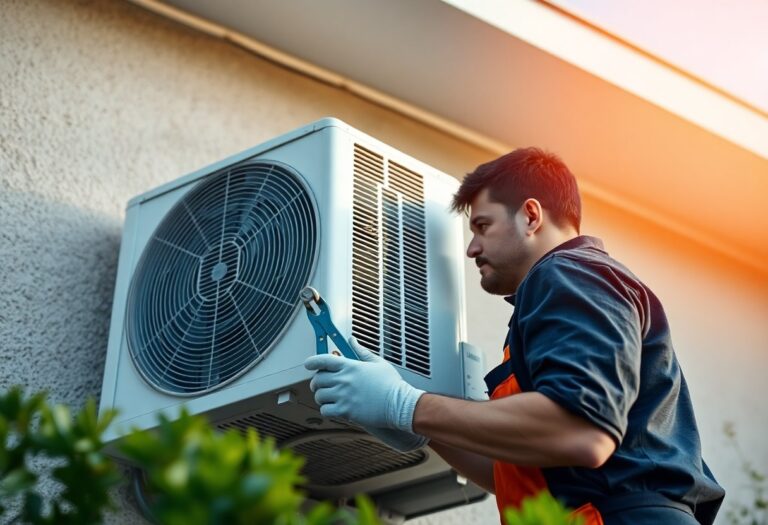
Fixes for minor issues such as clogged air filters, dirty condensers, or blocked vents can be performed safely at home. Start by checking your air filter; if it’s dirty, clean or replace it to improve airflow and efficiency. Likewise, inspect the outside unit for debris such as leaves and dirt that might impair its function. Keeping the condenser coils clean can enhance cooling performance and prevent overheating. Regular maintenance tasks like these can extend the lifespan of your AC without needing professional intervention.
However, ensure you’re cautious and informed when handling any DIY fixes. Safety should always be your priority. If you are unsure about the problem or the repair process, waiting for a trained technician is often the wisest decision. This will help you avoid further damage or potential safety hazards in your home.
Professional Repair Options
To ensure that your air conditioning problems are addressed thoroughly, enlisting the help of a professional may be necessary, especially for more complex issues like refrigerant leaks or electrical problems. Professional technicians possess the expertise to diagnose and resolve issues that might not be apparent to the average homeowner. They can carry out repairs that require specialized skills and tools, further ensuring your system is restored to optimal functioning.
Repair services typically include a detailed inspection of your unit, identifying potential issues that you may not have noticed. They may replace worn-out components, recharge refrigerants, or even upgrade your system if necessary. By opting for a skilled technician’s assistance, you gain peace of mind knowing that your air conditioning unit is in capable hands, leaving you with a comfortable environment while avoiding future breakdowns.
Replacing vs. Repairing Your AC Unit
Not every malfunction in your air conditioning unit automatically means you need to replace it. In many cases, simple repairs can extend the life of your system. However, assessing whether to repair or replace your AC unit involves considering several key factors that contribute to the overall efficiency and functionality of your home’s cooling system.
Factors to Consider for Replacement
While you may be tempted to quickly repair your air conditioning unit after it shows signs of wear and tear, there are important factors to consider that may lead you to choose replacement instead. Consider the age of your unit, as older systems often struggle to keep up with new energy efficiency standards. Other factors include:
- Frequency of repairs needed
- Current energy costs associated with your unit
- Possible improvements to indoor air quality with a new system
- Warranty options for new units compared to repair costs
After reviewing these considerations, you’ll have a better idea of whether it’s worth it to invest in a new AC unit instead of making repeated repairs.
Cost Analysis of Options
An informed decision regarding whether to replace or repair your air conditioning unit should include a thorough cost analysis. Examine not only the immediate costs of repairs but also long-term expenses associated with keeping an older unit operational. Consider the potential savings on utility bills that come with more energy-efficient models. If you find yourself calling for repairs every few months, those costs can quickly add up and exceed the price of a new system.
Analysis of your specific situation will help you determine the best path forward. Take into account the projected lifespan of your current unit, the likelihood of future repairs, and your budget. Running the numbers will guide you toward a solution that ultimately saves you money in the long run, emphasizing efficiency and reliable performance in your home.
Energy Efficiency and Longevity
Many homeowners are looking to improve their air conditioning systems’ energy efficiency and longevity, as these factors can significantly reduce utility bills and extend the life of the unit. By ensuring your AC runs optimally, you not only enhance comfort in your environment but also minimize the chances of encountering common failures that can arise from neglect. Regular maintenance, efficient use habits, and attentiveness to your unit’s condition can greatly impact its overall performance.
Tips for Maximizing AC Efficiency
You can make several simple adjustments to maximize your air conditioning system’s efficiency. Start by ensuring that your thermostat is set to a reasonable temperature; this can prevent the unit from overworking. Additionally, keeping the air filter clean will improve airflow, reducing strain on the system. Here are a few more tips:
- Seal any leaks in ductwork to avoid cool air escaping.
- Use fans to help circulate air effectively.
- Regularly inspect and clean the outdoor unit, removing any debris that may obstruct airflow.
- Consider investing in a programmable thermostat to manage temperature settings more efficiently.
Any adjustments you make can lead to noticeable improvements in energy consumption and overall functionality.
Enhancing the Lifespan of Your Unit
Even with energy efficiency measures in place, the longevity of your air conditioning unit largely depends on consistent maintenance and care. Regularly checking and replacing filters, cleaning coils, and scheduling professional inspections can keep your system running smoothly. You should also ensure that you are using the appropriate size unit for your space, as an oversized or undersized system can lead to premature wear and tear.
This proactive approach to maintenance not only enhances energy efficiency but also significantly contributes to extending the life of your air conditioning unit. Focus on maintaining clean, unobstructed airflow, and pay attention to any unusual noises or performance issues. By committing to routine care and being attentive, you will ensure that your air conditioning unit serves you well for many years to come.
To wrap up
On the whole, understanding the common causes of AC unit failure is crucial for maintaining a comfortable indoor environment and ensuring your system operates efficiently. Many issues can arise from lack of maintenance, such as clogged filters, low refrigerant levels, or faulty electrical components. By recognizing these problems early, you can take proactive measures to avoid costly repairs or replacements. Regularly checking and cleaning your filters, scheduling professional inspections, and addressing any signs of malfunction promptly will go a long way in extending the life of your air conditioning unit.
Additionally, knowing how to troubleshoot minor issues yourself can empower you to resolve problems quickly before they escalate. For instance, if your unit isn’t cooling properly, checking the thermostat settings or inspecting the condenser coils can often yield simple solutions. However, for more complex issues, it’s wise to consult with a qualified technician who can diagnose and repair the fault safely. By staying informed and keeping a close eye on your AC system, you can ensure it remains a reliable source of comfort in your home during the hottest months.