Choosing the Right Thermostat: A Comprehensive Guide to Types, Benefits, and HVAC Service Tips
Many homeowners struggle to select the ideal thermostat to maximize comfort and energy efficiency. Understanding the various types of thermostats available and their benefits can significantly simplify your decision-making process. This comprehensive guide will equip you with the knowledge needed to choose the right thermostat for your heating and cooling needs while also providing crucial HVAC service tips to ensure optimal performance. With the right information, you can make an informed choice that enhances both your home’s comfort and your energy savings.
Key Takeaways:
- Types of Thermostats: Whether you opt for a manual, programmable, WiFi, or smart thermostat, each type offers unique functionalities to suit different household needs.
- Compatibility: It is vital that your chosen thermostat is compatible with your HVAC system to ensure optimal performance and efficiency.
- Professional Guidance: Consulting an HVAC professional can greatly enhance your thermostat selection process, ensuring you find a model that fits your lifestyle and helps save on energy costs.
Understanding Thermostat Types
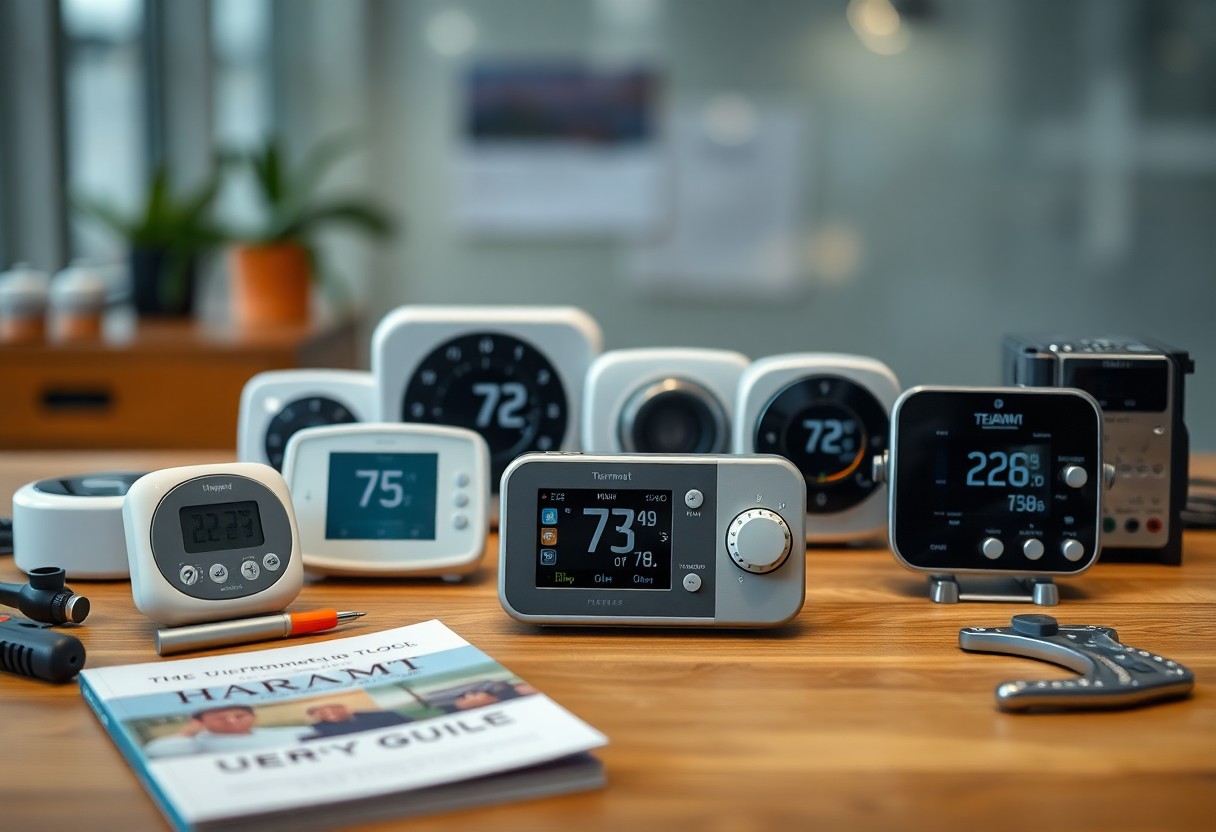
Before you decide on the best thermostat for your home, it’s important to know the different types available and their unique benefits. Here’s a quick overview:
- Manual Thermostats
- Programmable Thermostats
- WiFi Thermostats
- Smart Thermostats
Thou should consider your lifestyle and energy goals when selecting a thermostat type that aligns with your needs.
| Type | Key Feature |
| Manual | Simple temperature adjustment |
| Programmable | Pre-set schedules for temperature control |
| WiFi | Remote access via the internet |
| Smart | Learning capabilities based on your routine |
Manual Thermostats
Any manual thermostat represents the most straightforward options available, enabling you to physically adjust temperatures whenever necessary. Often characterized by simple dials or buttons, they are easy to use but lack advanced functionality.
Programmable Thermostats
Understanding programmable thermostats allows you to optimize your home’s energy efficiency effectively. These thermostats enable you to set specific temperature changes at certain times of the day, adapted to your family’s schedule, which can lead to significant savings on your energy bills.
Another advantage of programmable thermostats is their flexibility. Many models offer options such as 7-day programming, 5-2 models for weekdays and weekends, or even more specialized settings. This means you can tailor temperature adjustments precisely, so your heating and cooling systems work when you’re home and save energy when you’re not.
WiFi Thermostats
Any WiFi thermostat takes convenience a step further, connecting to your home’s internet network. This connection allows you to control your heating and cooling settings from anywhere, using your smartphone or tablet.
Plus, with features such as remote access and energy consumption tracking, WiFi thermostats empower you to make smarter choices about your HVAC usage. You can adjust temperatures on the go, ensuring your home remains comfortable without wasting energy while you’re away.
Smart Thermostats
Below are smart thermostats, the most advanced options available today, designed to learn from your behavior over time. They not only allow for manual programming but also adjust automatically based on your routines and preferences.
Indeed, smart thermostats can optimize your energy consumption by detecting patterns in your home and adjusting settings accordingly. With features like motion sensors, integration with smart home devices, and real-time alerts, these thermostats offer unparalleled convenience and efficiency for your living space.
Benefits of Upgrading Your Thermostat
Any homeowner can benefit significantly from upgrading their thermostat. By investing in modern options like WiFi or smart thermostats, you can optimize your HVAC system’s energy efficiency, ultimately lowering your utility bills. These advanced models allow you to schedule temperature adjustments based on your routine, providing comfort when you’re home and saving energy when you’re away. For more insights on selecting the ideal thermostat for your needs, explore How to Choose a Thermostat For Your Home.
Compatibility with HVAC Systems
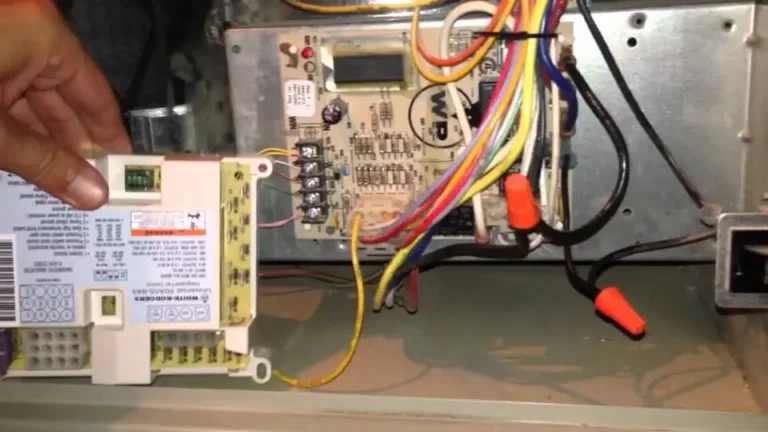
After exploring the different types of thermostats, it’s imperative to ensure that your chosen model is compatible with your HVAC system. Each thermostat type, from manual to smart models, has unique requirements that may or may not work seamlessly with your existing setup. For instance, advanced models like WiFi and smart thermostats offer enhanced functionality but often require specific system configurations. Consulting with an HVAC professional can help you identify the most suitable option for your home, ensuring optimal comfort and energy efficiency while avoiding potential installation issues.
Installation Tips and Recommendations
Now, when it comes to installing your new thermostat, making informed choices ensures optimal performance. Here are some helpful tips:
- Verify compatibility with your HVAC system before purchase.
- Turn off power to your heating and cooling system during installation.
- Carefully label each wire as you disconnect them from the old thermostat.
- Follow the manufacturer’s instructions for wiring and setup.
- Consider hiring an HVAC professional for a hassle-free installation process.
Any adjustments you need to make can be easily handled by professionals, ensuring you fully benefit from your new thermostat. For more detailed information, check out Choosing the Right Thermostat: A Comprehensive Guide.
Troubleshooting Common Thermostat Issues
To effectively address common thermostat issues, start by checking if your thermostat is receiving power; ensure it’s properly connected to your HVAC system and batteries are replaced if necessary. If your manual or programmable thermostat isn’t maintaining set temperatures, recalibrating its settings may solve the problem. For WiFi and smart thermostats, confirm that your internet connection is stable. Additionally, it’s wise to consult with an HVAC professional if difficulties persist, as they can provide insights based on your specific system and help you optimize for better comfort and efficiency.
Energy Efficiency and Savings
Not only do smart and programmable thermostats help you maintain a comfortable home, but they also significantly enhance your energy efficiency and savings. By allowing you to set temperature schedules that align with your daily routines, these advanced models can reduce energy consumption, translating to lower utility bills. For instance, programmable thermostats enable adjustments based on occupancy, while WiFi-enabled thermostats provide remote access, so you can optimize your HVAC system’s performance from anywhere. Investing in the right thermostat can lead to substantial financial benefits over time, making it a wise choice for your household.
Final Words
The right thermostat can significantly enhance your home’s comfort and energy efficiency, tailored to your specific needs and lifestyle. By familiarizing yourself with the various types—manual, programmable, WiFi, and smart—you can make an informed choice that aligns with your HVAC system and daily routine. Consulting with an HVAC professional ensures that you select a model that fits seamlessly into your home. With their guidance, installation, and training, you’ll feel confident in optimizing your thermostat for maximum comfort and savings.
FAQ
Q: How do I choose the right type of thermostat for my home?
A: Selecting the appropriate thermostat for your home involves considering your HVAC system’s compatibility, your household’s schedule, and your energy-saving goals. First, consult with an HVAC professional to ensure the thermostat you choose works well with your existing heating and cooling system. Next, assess your routine: if you are home frequently, a manual or basic programmable thermostat may suffice. If your schedule varies, a WiFi or smart thermostat could optimize your energy use by adapting to your habits. Consider features like remote access and smart home integration to enhance convenience.
Q: What are the benefits of upgrading to a smart thermostat?
A: Upgrading to a smart thermostat offers numerous advantages for homeowners. Firstly, they can learn your daily routines, adjusting temperatures automatically when you leave or return home, which enhances comfort and helps save on energy bills. Many models provide remote access via smartphone apps, allowing you to control your home’s temperature from anywhere. Additionally, smart thermostats may offer energy consumption reports, maintenance alerts, and integration with other smart home devices, resulting in a more connected and efficient home environment.
Q: What should I do if I experience issues with my new thermostat?
A: If you encounter any problems with your new thermostat, the first step is to check the user manual for troubleshooting tips. Common issues often involve incorrect programming or WiFi connectivity problems. If the issue persists, contact your HVAC professional for assistance. They can help diagnose any incompatibilities with your HVAC system, ensure proper installation, and make necessary adjustments or repairs to get your thermostat functioning as intended. Regular maintenance and checks can also prevent future issues, ensuring your thermostat operates efficiently.