Best Rooms for a Ductless Mini-Split (And Where They Don’t Make Sense)
Ductless mini-splits work best in rooms or zones that are difficult or expensive to serve with central ductwork—such as additions, upstairs bedrooms, sunrooms, home offices, garages converted to living space, or older historic Savannah homes with limited or nonexistent duct access—because they deliver targeted, zoned heating and cooling without duct losses or major structural changes.
Bottom line: In the Greater Savannah area, mini-splits shine in individual bedrooms, master suites, guest rooms, home offices, enclosed porches, and secondary living areas where you want independent temperature and humidity control; they make far less sense in large open-concept main living spaces, whole-home primary cooling needs, or rooms with very high ceilings and poor insulation where a single wall-mounted unit struggles to distribute air evenly.
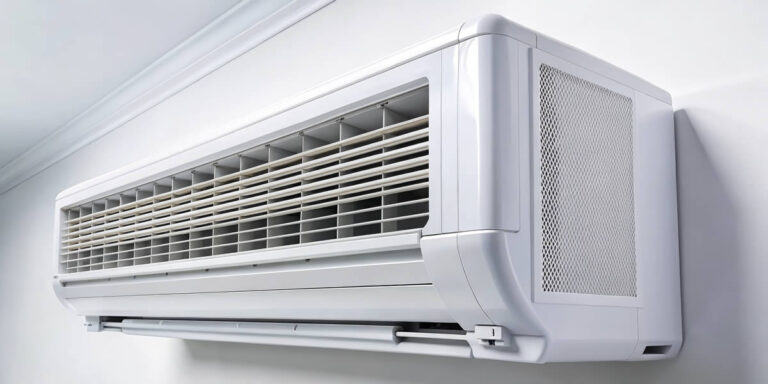
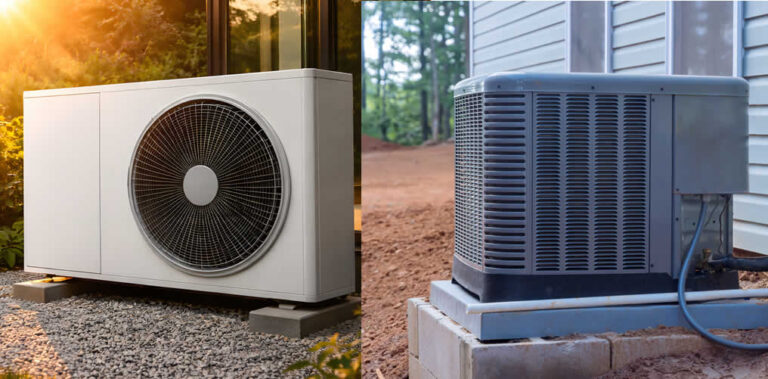
Ductless mini-splits consist of one outdoor compressor connected to one or more compact indoor air handlers mounted on walls, ceilings, or floors. Each indoor unit controls its own zone independently, allowing different temperatures in different rooms without running ducts through attics, crawlspaces, or walls.
In Savannah’s humid subtropical climate—where summer relative humidity stays 75-85% with dew points often above 70°F from May through October, and pollen and salt air add extra stress—this zoned capability provides precise dehumidification and comfort without the inefficiency of overcooling one area to fix another.
Rooms Where Ductless Mini-Splits Perform Best
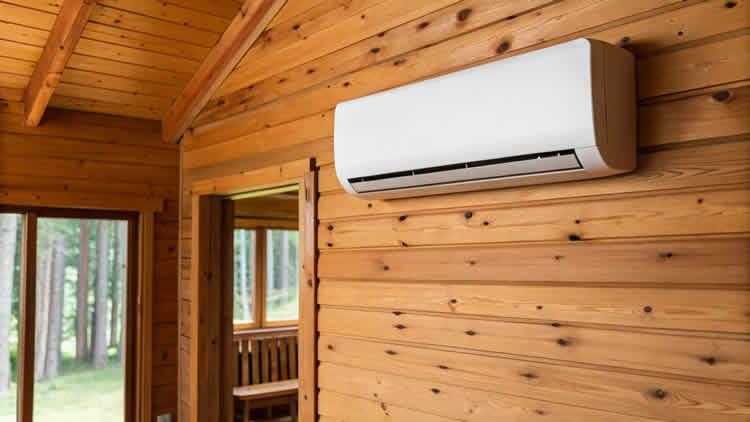
Primary bedrooms and master suites top the list. Homeowners frequently install a single-zone mini-split here to maintain cooler nighttime temperatures (72-74°F) and lower humidity for better sleep while letting the main central system run warmer during the day. The wall-mounted indoor unit blows air quietly and directly across the bed, avoiding the hot/cold spots common with ceiling vents in historic Savannah homes with high ceilings.
Guest bedrooms and in-law suites benefit similarly. These rooms see intermittent use, so a mini-split heats or cools only when occupied—saving energy compared to conditioning the whole house year-round. In Pooler’s newer subdivisions or Richmond Hill homes with separate guest wings, this approach eliminates the need to extend or modify existing ducts.
Home offices and hobby rooms are ideal candidates. Remote workers or crafters often prefer 68-70°F during the day for focus and comfort, even if the rest of the house sits at 78°F. A mini-split provides instant response and consistent humidity control—critical in Georgia where high moisture can make paper warp or electronics sweat.
Sunrooms, enclosed porches, and Florida rooms (common in coastal areas like Tybee Island or Garden City) are classic mini-split applications. These spaces often lack duct access entirely and suffer extreme temperature swings from large glass areas. A ceiling cassette or floor-mounted unit distributes air evenly without visible duct runs, while the system’s dehumidification keeps the space dry and usable even on 95°F days with 80% humidity.
Converted garages, bonus rooms over garages, or finished attics also excel. These areas typically have poor or no ductwork due to construction limitations. A mini-split adds reliable comfort without invasive duct installation through finished ceilings or floors.
Small apartments, mother-in-law suites, or accessory dwelling units (ADUs) in the backyard are increasingly common in the Savannah market. A single-zone or small multi-zone system conditions the entire space efficiently without tying into the main house’s HVAC.
Rooms and Situations Where Mini-Splits Usually Don’t Make Sense
Large open-concept living areas (great rooms, combined kitchen/family rooms) are poor candidates for a single wall-mounted unit. Air distribution struggles across long distances or around corners, creating hot/cold zones and uneven humidity control. Ceiling cassettes help somewhat, but even then, multiple units are often needed for true comfort—pushing costs higher than a properly sized central system.
Whole-home primary cooling needs rarely favor ductless. If you’re replacing an entire central system serving 2,000+ sq ft with good ductwork, a multi-zone mini-split becomes expensive (often $10,000-$20,000+ for 4-6 zones) and complex compared to a high-efficiency central upgrade. Ductless shines as supplemental or zoned solutions, not full-house replacements in most cases.
Rooms with very high ceilings (10-14 ft+) or vaulted designs in older Savannah historic homes lose air stratification—warm air rises, cool air stays low. Wall-mounted units blow horizontally and struggle to mix air vertically; floor consoles or ceiling cassettes perform better but still require careful placement.
Spaces with heavy furniture blocking walls (e.g., large bookcases or entertainment centers directly against exterior walls) limit indoor unit mounting options. The unit needs unobstructed airflow 6-7 feet high for proper throw and circulation.
Very small rooms (under 150 sq ft) or bathrooms rarely justify a dedicated unit unless they are standalone additions. The smallest mini-split heads are oversized for tiny spaces, leading to short-cycling and poor dehumidification.
Key Factors That Influence Placement Decisions in Savannah
Humidity management drives many choices. Mini-splits excel where long part-load cycles are needed to pull moisture effectively—bedrooms and offices where you want dry air overnight or during work hours. Open living areas often need faster initial cooldown, where central systems with higher airflow move more volume quickly.
Aesthetics and noise matter in living spaces. Indoor units are slim and modern but visible; some homeowners prefer them hidden in less-trafficked rooms.
Electrical requirements—most units need a dedicated 15-30 amp circuit—can make placement easier in rooms near existing panels.
Carriage Heating & Cooling evaluates room layout, load calculations, airflow patterns, and humidity needs during consultations, recommending optimal unit types and locations for reliable performance in Pooler, Savannah, Richmond Hill, Rincon, and surrounding communities.