Allergies Getting Worse at Home? Your HVAC System Might Be the Problem
If your allergy symptoms are worse indoors than outdoors — persistent congestion, itchy eyes, sneezing fits that start within an hour of coming home, or morning headaches that clear up after you leave the house — your HVAC system is a more likely culprit than pollen or seasonal changes. A neglected air conditioning system in Savannah’s climate does not just fail to filter allergens.
It actively produces and distributes them: mold colonies growing on the evaporator coil, dust mite allergens recirculated through contaminated ductwork, and biological material flung off a dirty blower wheel directly into the air you breathe. Fixing the problem typically costs $200 to $800 for cleaning and filtration upgrades, not the thousands most homeowners fear.
Savannah ranks consistently among the worst cities in the United States for allergy sufferers, and most people blame the outdoor environment — the relentless pine pollen from February through April, the oak and grass pollen that extends through summer, the mold spores that thrive in the coastal humidity year-round.
Those outdoor allergens are real, but they do not explain why symptoms are worse inside your own home than they are at the grocery store, your office, or a friend’s house across town. When indoor symptoms exceed outdoor symptoms, the common denominator is the air delivery system unique to your home — the one pushing air through every room 12 to 18 hours per day during the cooling season.
How Your HVAC System Creates Allergens
Your air conditioning system does not merely circulate existing allergens. Under specific conditions — conditions that are nearly universal in poorly maintained systems operating in Savannah’s humidity — it manufactures new ones.
The evaporator coil inside the air handler is the primary offender. This coil stays wet almost continuously from April through October because it is constantly condensing moisture from Savannah’s humid indoor air. The coil surface temperature sits between 38°F and 45°F during operation, and the combination of persistent moisture, moderate temperature, and a steady supply of airborne organic material (dust, skin cells, pet dander) creates an environment where mold colonizes within weeks of the last professional cleaning.
Mold on the evaporator coil does not stay on the evaporator coil. The blower fan pulls room air through the return duct, across the coil surface, and pushes it back out through the supply ducts into every room. That air passes within inches of the mold colony, picking up spores and hyphal fragments that are small enough to remain airborne indefinitely once they enter the conditioned space.
Every cooling cycle distributes a fresh load of mold-origin allergens throughout the house. A study published in the International Journal of Environmental Research and Public Health found that HVAC evaporator coils are among the most significant point sources of indoor mold exposure in humid climates — not the bathroom, not the basement, but the system designed to condition the air.
The blower wheel — the cylindrical fan that moves air through the system — accumulates its own biological growth. In Savannah’s humidity, a blower wheel that has not been professionally cleaned in 12 months develops visible mold on its fan blades.
When the blower spins, it flings microscopic mold fragments and biofilm particles into the airstream at the point of maximum air velocity, ensuring thorough distribution into the living space. The characteristic musty smell that many Savannah homeowners notice when the AC kicks on — a brief wave of stale air during the first seconds of each cycle — is this biological material being aerosolized.
The condensate drain pan sits directly beneath the evaporator coil, collecting the gallons of water the system extracts from the air daily. In a maintained system, this water drains promptly through the condensate line and exits the house.
In a neglected system, slow drainage from a partially clogged line creates standing water in the pan — a stagnant pool in a dark, warm enclosure that becomes a concentrated source of mold, bacteria, and the organic compounds they produce. Some of these compounds are volatile organic chemicals that cause respiratory irritation independent of any allergic response, meaning even household members without allergies may experience symptoms.
Ductwork completes the distribution chain. Over years of operation, the interior surfaces of duct runs accumulate dust, pollen, skin cells, and — in Savannah’s climate — moisture from condensation on poorly insulated duct sections running through superheated attics. This accumulated material supports its own biological ecosystem.
Every time the blower runs, air flowing through the ducts picks up particles from these interior surfaces and delivers them to the living space. Flex ductwork, which is standard in most Savannah-area homes built after 1990, is particularly susceptible because its corrugated interior surface traps more debris than smooth metal ductwork and is nearly impossible to clean thoroughly without replacement.
How Your HVAC System Fails to Remove Allergens
Beyond actively producing allergens, a poorly configured or maintained system also fails at the passive allergen removal it should be performing.
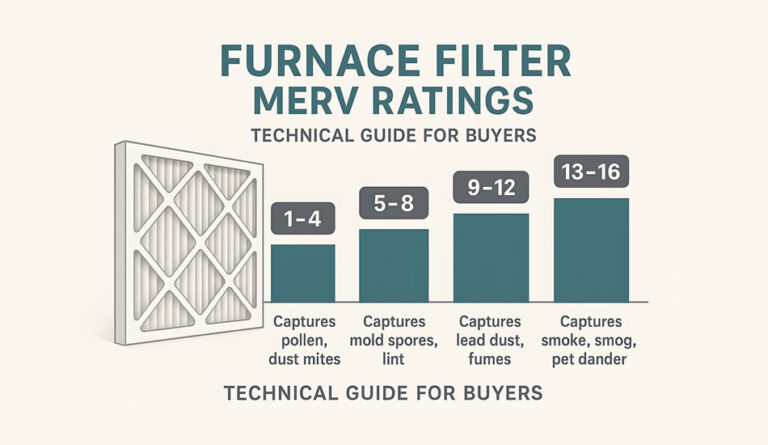
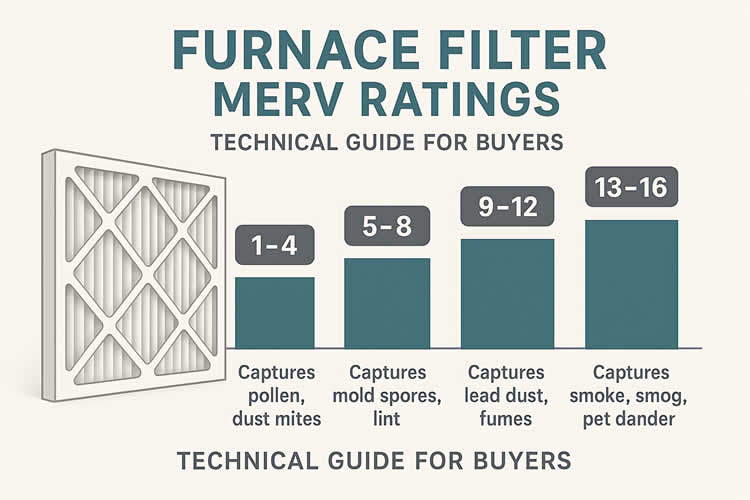
The air filter is the system’s primary defense against airborne particles, and in a stunning number of Savannah homes, the filter is either the wrong type, the wrong MERV rating, or has not been changed in months. A fiberglass panel filter — the cheapest option at $1 to $3 — captures less than 20% of particles in the 3 to 10 micron range, which includes most mold spores and the larger dust mite allergen particles. It is essentially decorative filtration that protects the equipment from large debris but does almost nothing for air quality.
A standard pleated filter at MERV-8 captures 70-85% of those same particles — a massive improvement over fiberglass but still allowing 15-30% of allergens to pass through and recirculate. For allergy sufferers in Savannah, MERV-11 represents the minimum effective filtration level, capturing over 85% of particles in the 1 to 10 micron range including mold spores, pollen fragments, dust mite waste, and pet dander.
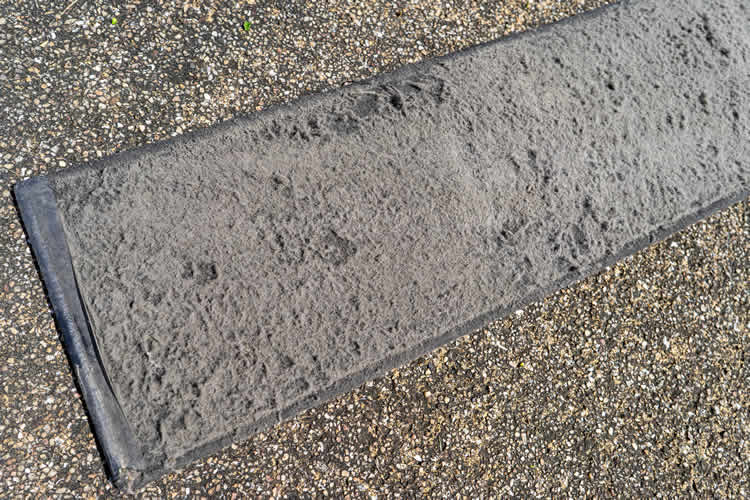
Even the correct filter fails if it is clogged. A MERV-11 filter that has been in place for four months in Savannah’s pollen-heavy, humidity-laden environment is not filtering effectively — it is restricting airflow to the point where air bypasses the filter through gaps around its edges and through the filter rack, carrying unfiltered particles directly to the evaporator coil and through the duct system.
In this market, filters need replacement every 30 to 60 days during the cooling season to maintain their designed capture rate. The 90-day interval printed on most filter packaging is based on national average conditions that do not reflect Savannah’s particulate and humidity load.
System cycling patterns affect allergen management in ways most homeowners do not consider. A conventional central AC system that cycles on for 10 minutes and off for 10 minutes filters air only during the on cycle. During the off cycle, airborne particles settle onto surfaces — furniture, carpet, bedding — where they accumulate and become resuspended every time someone walks through the room, sits on the couch, or rolls over in bed.
A system that runs longer cycles at lower capacity (like an inverter-driven mini-split or a variable-speed central system) filters air more continuously, reducing the settling-and-resuspension cycle that keeps allergens in the breathing zone.
The Dust Mite Connection
Dust mites deserve separate attention because they are the most common indoor allergen trigger in the Savannah area and their population is directly controlled by the HVAC system’s humidity management performance.
Dust mites are microscopic organisms that live in bedding, upholstered furniture, carpet, and any fabric that retains warmth and moisture. They do not bite and do not transmit disease. Their allergenic impact comes from their waste products — specifically a protein called Der p 1 — which becomes airborne when disturbed and triggers allergic responses in sensitized individuals. Symptoms include nasal congestion, sneezing, itchy or watery eyes, postnasal drip, and in asthmatic individuals, airway constriction and wheezing.
Dust mite populations are directly regulated by indoor relative humidity. Above 50% relative humidity, mites thrive and reproduce. Below 40%, they dehydrate and populations collapse. The difference in mite density between a home at 55% humidity and a home at 45% humidity can be an order of magnitude — ten times more mites, ten times more allergenic waste product, ten times more exposure.
In Savannah, where outdoor relative humidity routinely exceeds 70% for six or more months per year, indoor humidity control depends almost entirely on the HVAC system’s dehumidification performance. A properly sized, well-maintained system running appropriate cycle lengths keeps indoor humidity in the 45-50% range — uncomfortable for dust mites, comfortable for humans.
An oversized system that short-cycles, an aging system with degraded dehumidification capacity, or a system with a dirty evaporator coil that has lost moisture removal efficiency may leave indoor humidity at 55-65% — comfortable for humans, paradise for dust mites.
The practical implication for allergy sufferers is that humidity management is not a comfort preference. It is a medical intervention. Bringing indoor humidity from 58% down to 47% can reduce dust mite allergen concentrations by 50-80% within weeks, producing a measurable reduction in symptoms without medication changes, air purifier purchases, or any intervention beyond fixing the HVAC system’s dehumidification performance.
Diagnosing the Problem: Where to Start
If you suspect your HVAC system is contributing to allergy symptoms, a systematic evaluation identifies the specific issues without requiring expensive testing or guesswork.
Start with a digital hygrometer placed in a central living area. These cost $10 to $30 at any hardware store and display the current indoor relative humidity. If the reading consistently shows above 55% while the AC is running, your system is not dehumidifying adequately. The most common causes are an oversized system, a dirty evaporator coil, low refrigerant, or excessive air infiltration. Each is diagnosable and fixable.
Check your air filter. Remove it and inspect it visually. If it is gray or dark brown, clogged with visible debris, or has been in place for more than 60 days during the cooling season, it is overdue for replacement. Note the filter type and MERV rating — if it is a fiberglass panel filter or a MERV-6 or lower, upgrading to MERV-11 will meaningfully improve allergen capture immediately.
Look at your supply registers. Remove a register cover and shine a flashlight into the duct opening. Visible dust accumulation on the interior surfaces indicates the ductwork is contributing particulates to the airstream. Dark discoloration or visible mold growth on or around the register — particularly on the ceiling around ceiling-mounted registers, where condensation from the cold air meeting warm attic air creates moisture — indicates a more significant contamination issue.
Smell the air when the system kicks on. A musty, stale, or mildew-like odor during the first seconds of operation strongly suggests mold on the evaporator coil or blower wheel. A persistent musty smell throughout the cycle suggests contamination in the ductwork. A chemical or burning smell suggests an electrical issue unrelated to allergens but worth investigating separately.
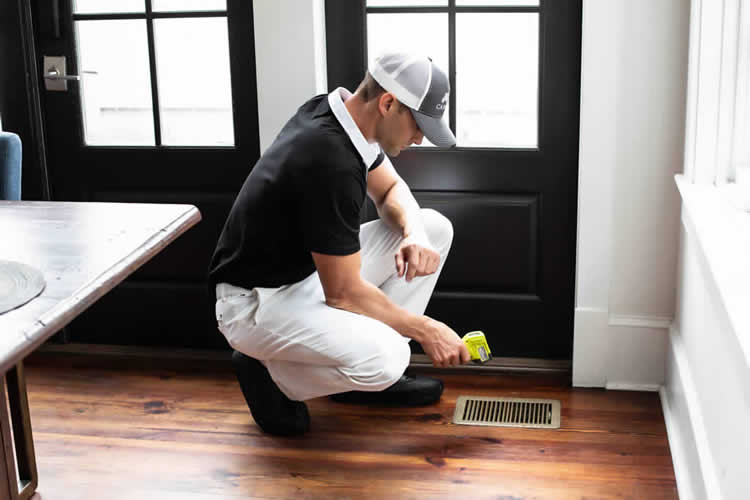
Schedule a professional HVAC inspection that specifically includes evaporator coil inspection, blower wheel inspection, condensate drain assessment, and ductwork evaluation. Communicate that you are experiencing allergy symptoms and want the technician to evaluate the system as a potential allergen source, not just check that it is cooling properly. These are different assessments — a system can cool to setpoint perfectly while simultaneously distributing mold spores throughout the house.
Fixes Ranked by Impact and Cost
Once you have identified the contributing factors, solutions range from free to moderately expensive, and the most impactful interventions are often the cheapest.
Filter upgrade and adherence to a replacement schedule is the highest-impact, lowest-cost intervention. Switching from a fiberglass or low-MERV filter to a MERV-11 pleated filter costs $10 to $20 per filter. Committing to replacement every 30 to 45 days during the cooling season costs $80 to $160 per year. The allergen capture improvement is immediate and significant — most households notice a reduction in airborne dust within 48 hours of installing a proper filter.
Professional evaporator coil and blower wheel cleaning removes the biological contamination that is actively producing allergens. This service costs $200 to $500 depending on the extent of contamination and the accessibility of the air handler. The improvement is immediate — the musty startup smell disappears after the first cleaning, and the allergen load from mold drops dramatically. In Savannah’s humidity, this cleaning should be repeated annually to prevent recolonization.
Condensate drain clearing and treatment costs $75 to $150 as a standalone service and is typically included in a professional maintenance visit. Eliminating standing water in the drain pan removes a concentrated biological growth site and the associated volatile organic compounds.
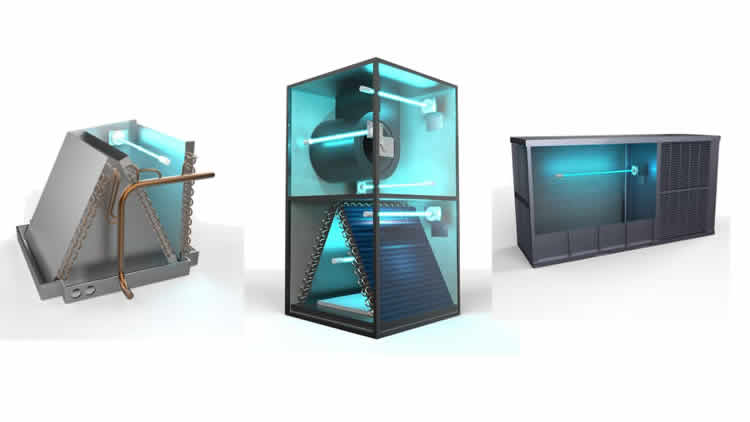
A UV germicidal light installed inside the air handler costs $500 to $1,200 and irradiates the evaporator coil surface continuously, killing mold and bacteria before they establish colonies. UV lights do not filter the air — they treat the coil. In Savannah’s climate, where coil contamination is essentially guaranteed between annual cleanings, a UV light extends the effective life of a coil cleaning from 12 months to 24 months or longer. For allergy sufferers, this sustained biological control is worth the investment.
A whole-home dehumidifier integrated with the HVAC system costs $1,500 to $3,000 installed and provides humidity control independent of the cooling cycle. For households where dust mite allergens are the primary trigger, a dehumidifier that holds indoor humidity below 50% year-round — including during shoulder seasons when the AC runs infrequently — produces a sustained reduction in dust mite populations that no amount of filtration can match. This is the highest-cost intervention on the list but arguably the most impactful for dust mite allergy sufferers in the Savannah market.
Duct cleaning is a more complex recommendation. Professional duct cleaning costs $300 to $600 for a typical Savannah home and removes accumulated debris from the interior surfaces of the duct system. The EPA’s position is that duct cleaning has not been proven to prevent health problems, and studies have not conclusively demonstrated that particle levels in homes increase because of dirty ducts.
However, in Savannah homes where ductwork runs through humid attics, where visible mold is present on or around registers, or where the system has operated for years without maintenance, duct cleaning removes a quantifiable allergen reservoir. The intervention is most valuable when combined with coil cleaning and filter upgrades — cleaning the ducts while leaving a moldy coil and a clogged filter in place addresses the symptom without fixing the source.
The Bedroom Priority
If budget or logistics force you to prioritize, start with the bedroom. You spend six to eight hours per night in this room with continuous respiratory exposure to whatever is in the air. The cumulative allergen dose during sleep exceeds your exposure in any other single location, and the enclosed nature of the space (door closed, windows closed, AC running) means the air quality in the bedroom is entirely dependent on the HVAC system’s output.
For homes with central air, ensure the bedroom’s supply register is open and unobstructed, the return air path is clear (undercut door or transfer grille if the bedroom door is closed at night), and the system filter is fresh. Consider a standalone HEPA air purifier for the bedroom — a quality unit from Honeywell, Blueair, or Winix costs $150 to $350 and provides medical-grade filtration in the 150 to 300 square foot range regardless of the central system’s filter quality. Running a HEPA purifier in the bedroom overnight while sleeping in a home with an older central system is a targeted intervention that addresses the highest-exposure period at a modest cost.
For homes with ductless mini-splits in bedrooms, clean the filters biweekly and schedule an annual deep cleaning of the indoor unit — the blower wheel mold problem is particularly consequential in a bedroom where the unit is blowing air directly toward the bed from six feet away.
Encase mattresses and pillows in allergen-proof covers. This does not involve the HVAC system, but it is the single most effective non-HVAC intervention for dust mite allergy and costs $50 to $150 for a complete set. Combined with humidity control below 50%, allergen-proof bedding can reduce nighttime dust mite allergen exposure by 90% or more.
When to See an Allergist
HVAC improvements address the environmental triggers, but they do not replace medical evaluation. If you have not had formal allergy testing, a board-certified allergist can identify your specific triggers through skin prick testing or blood panels, which tells you exactly which allergens to target with environmental controls. Knowing that you are allergic to dust mites but not mold (or vice versa) focuses your HVAC improvements on the interventions that will help you specifically rather than addressing everything generally.
Savannah has several allergy and immunology practices that understand the local allergen profile. A referral from your primary care physician is not always required but may be needed for insurance coverage.
Getting Your System Evaluated
At Carriage Heating & Cooling, we evaluate HVAC systems specifically for air quality impact — not just cooling performance. Our inspection includes evaporator coil and blower wheel visual assessment, condensate drain condition, humidity measurement, filter evaluation, and ductwork inspection at accessible points. We explain what we find and recommend solutions in order of impact and cost so you can address the most significant issues first.
Call (912) 306-0375 to schedule an air quality evaluation anywhere in Pooler, Savannah, Richmond Hill, Tybee Island, or the surrounding area.